
SERVICES
Monument Cleaning — a method suited to the stone.
Moss, lichen, staining, and biological growth removed so the lettering reads clearly again — without damaging the stone.
THE APPROACH
The approach
Cleaning is not one-size-fits-all. The material, the surface condition, and the type of buildup all shape what approach is right. We read what is in front of us and choose a method that fits — one that improves the stone without putting it at risk.
- EXPERIENCE-LED
- We have worked on every type of stone found in Vermont cemeteries. The right method is usually clear from a first look at the stone.
- METHOD MATCHED TO THE STONE
- Granite, marble, and limestone each require a different hand. The goal is to improve readability and appearance without overworking the surface or removing material it cannot recover.
- HONEST EXPECTATIONS
- Some memorials change dramatically with cleaning. Others improve more gradually. We will tell you what we are looking at and what is realistic before any work begins.
BEFORE
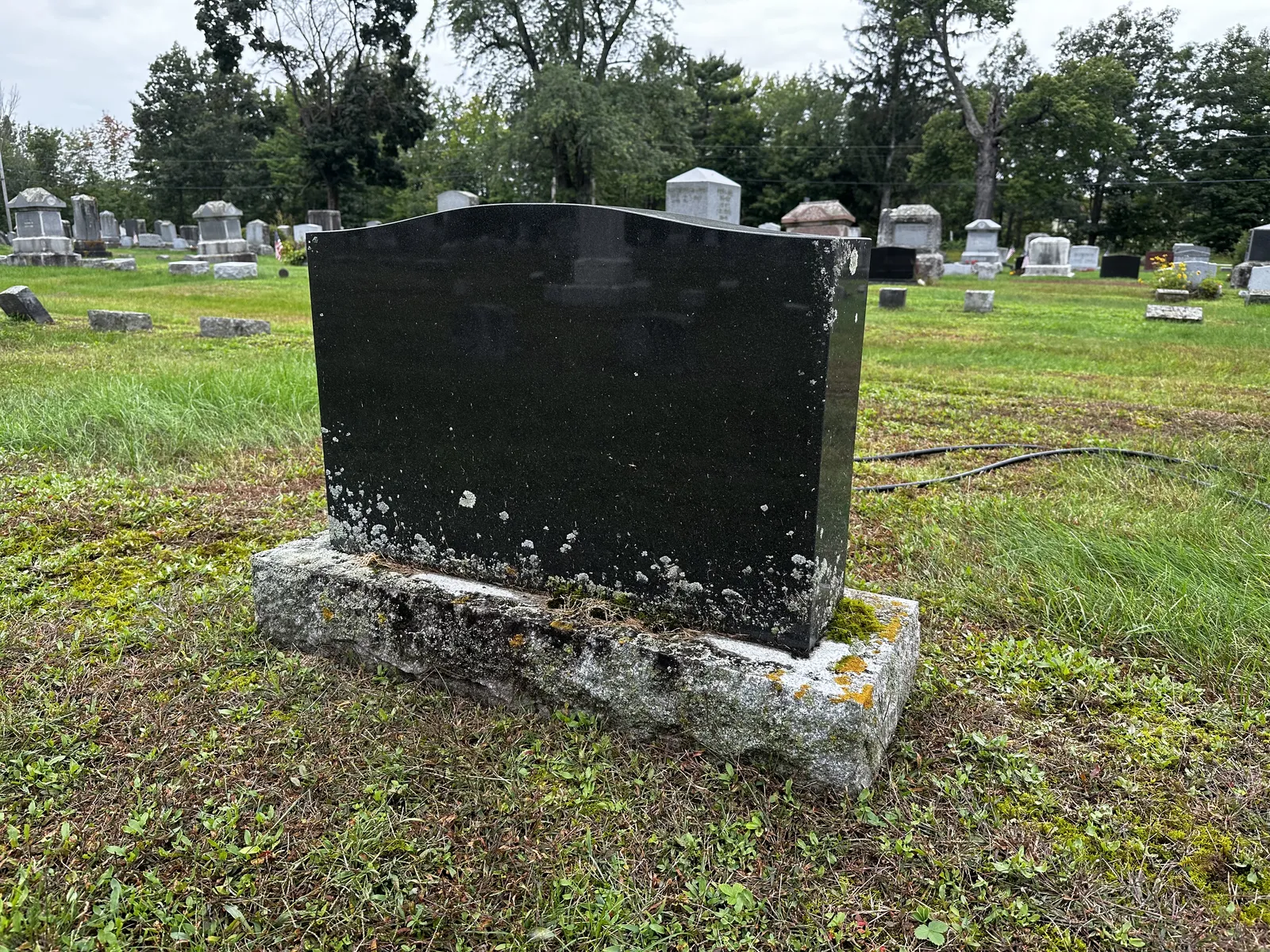
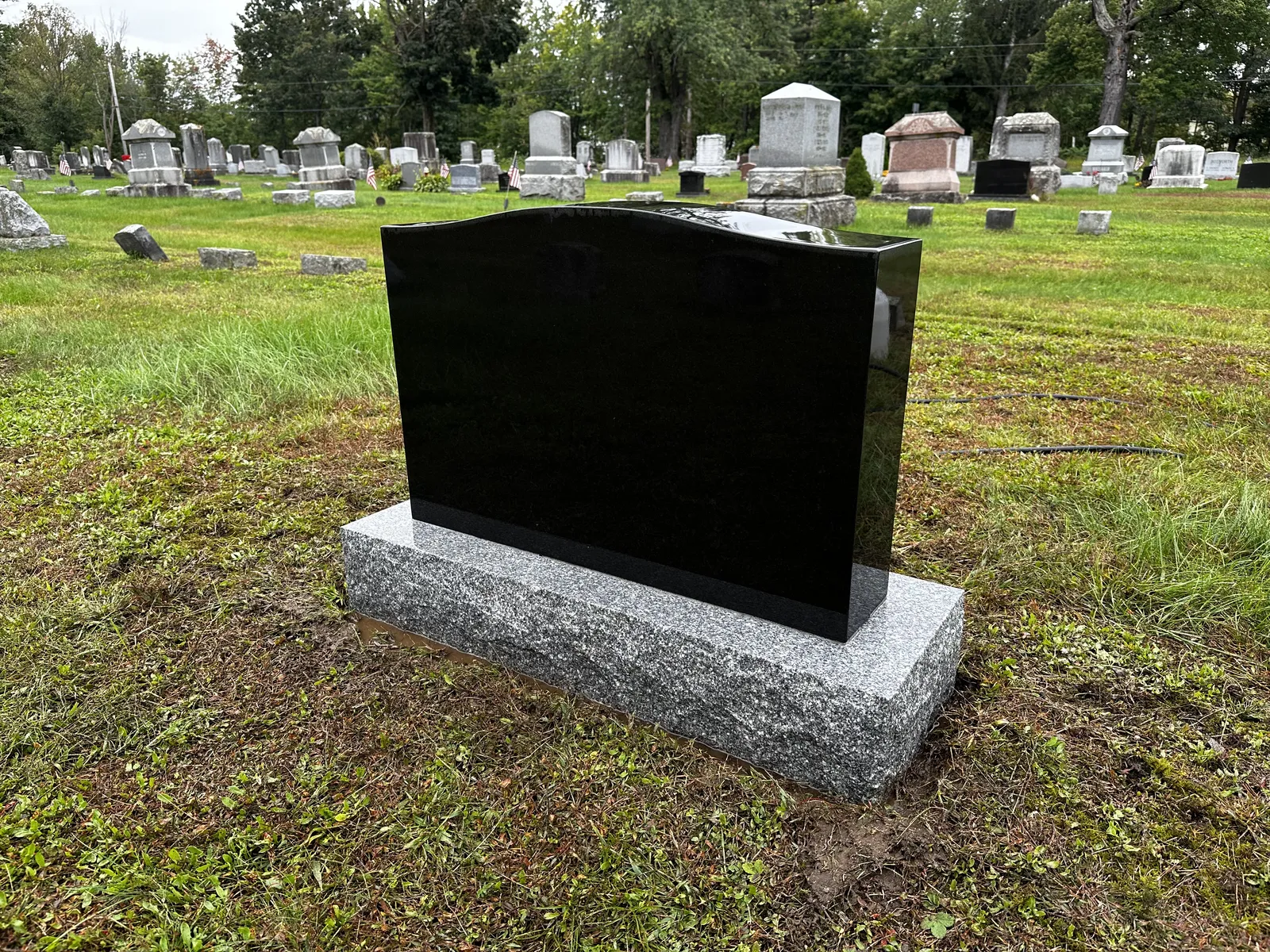
AFTER
BEFORE
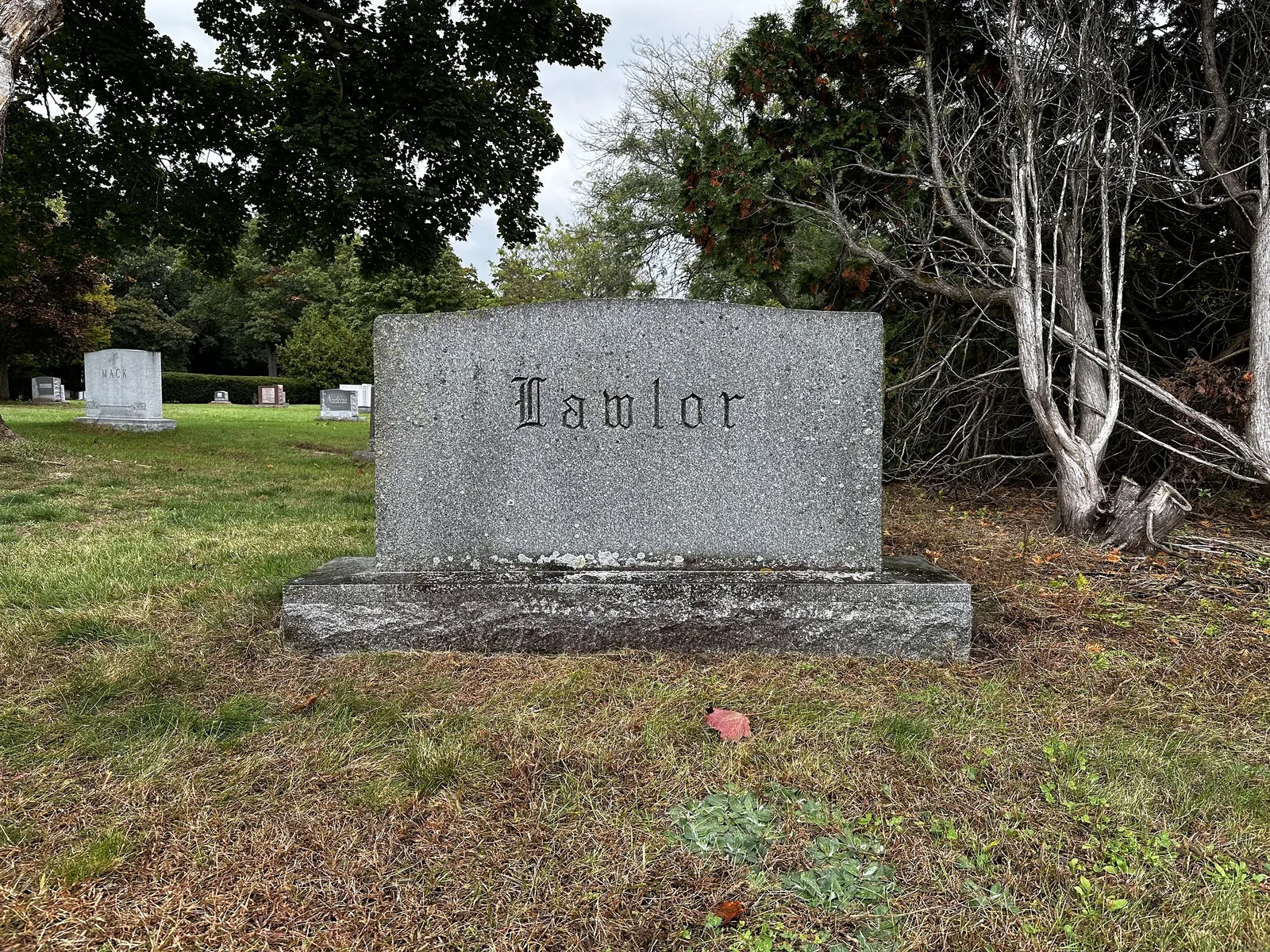
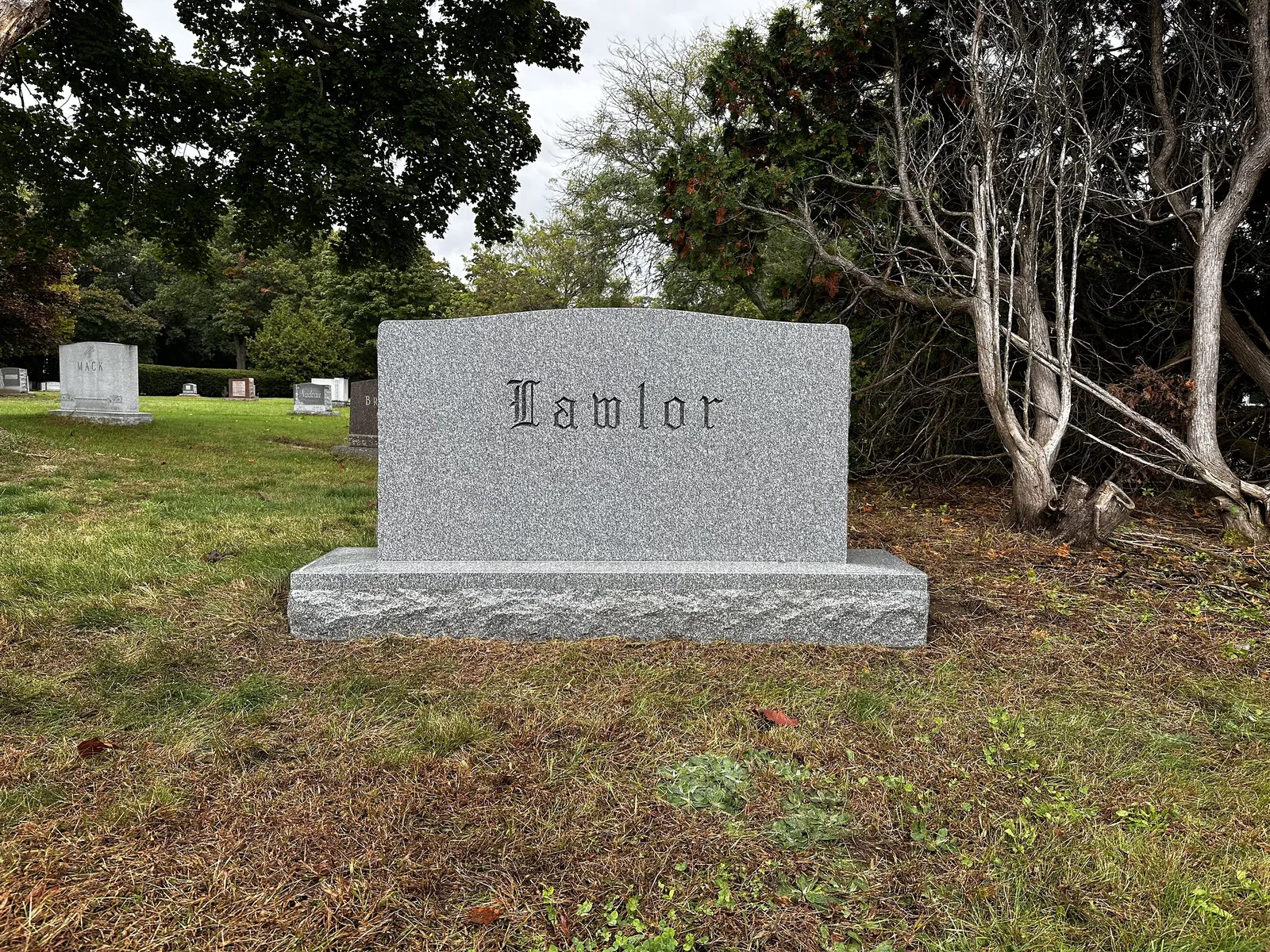
AFTER
WHAT AFFECTS THE OUTCOME
What affects the outcome
Cleaning results depend on the type of stone, the condition of the surface, and the kind of buildup present. Some memorials change dramatically with cleaning. Others improve more gradually, and some have clear limits from the start.
STONE TYPE
Stone type
Granite and older marble respond to cleaning in very different ways. The material itself sets the method we use and what kind of result is realistic.
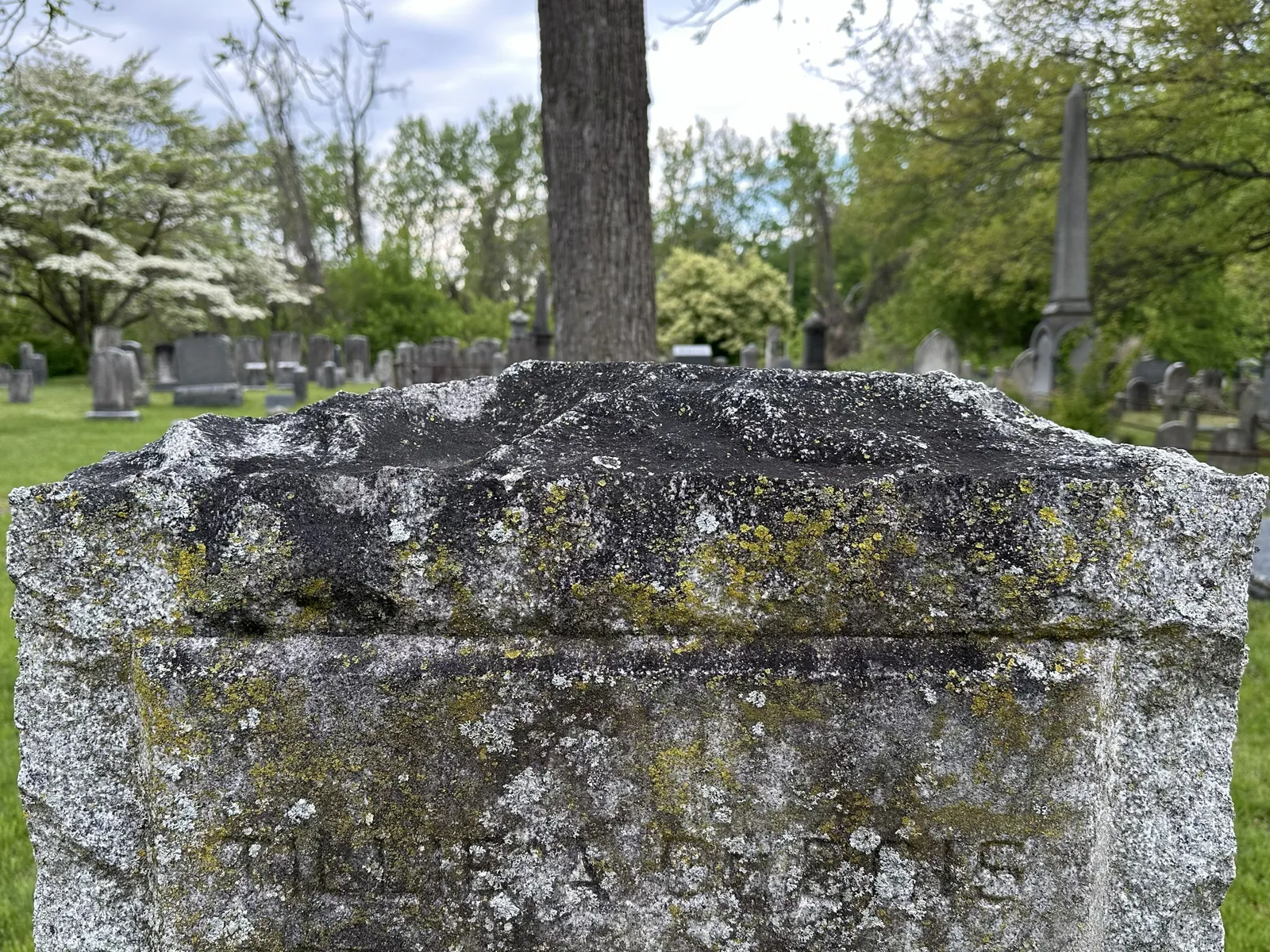
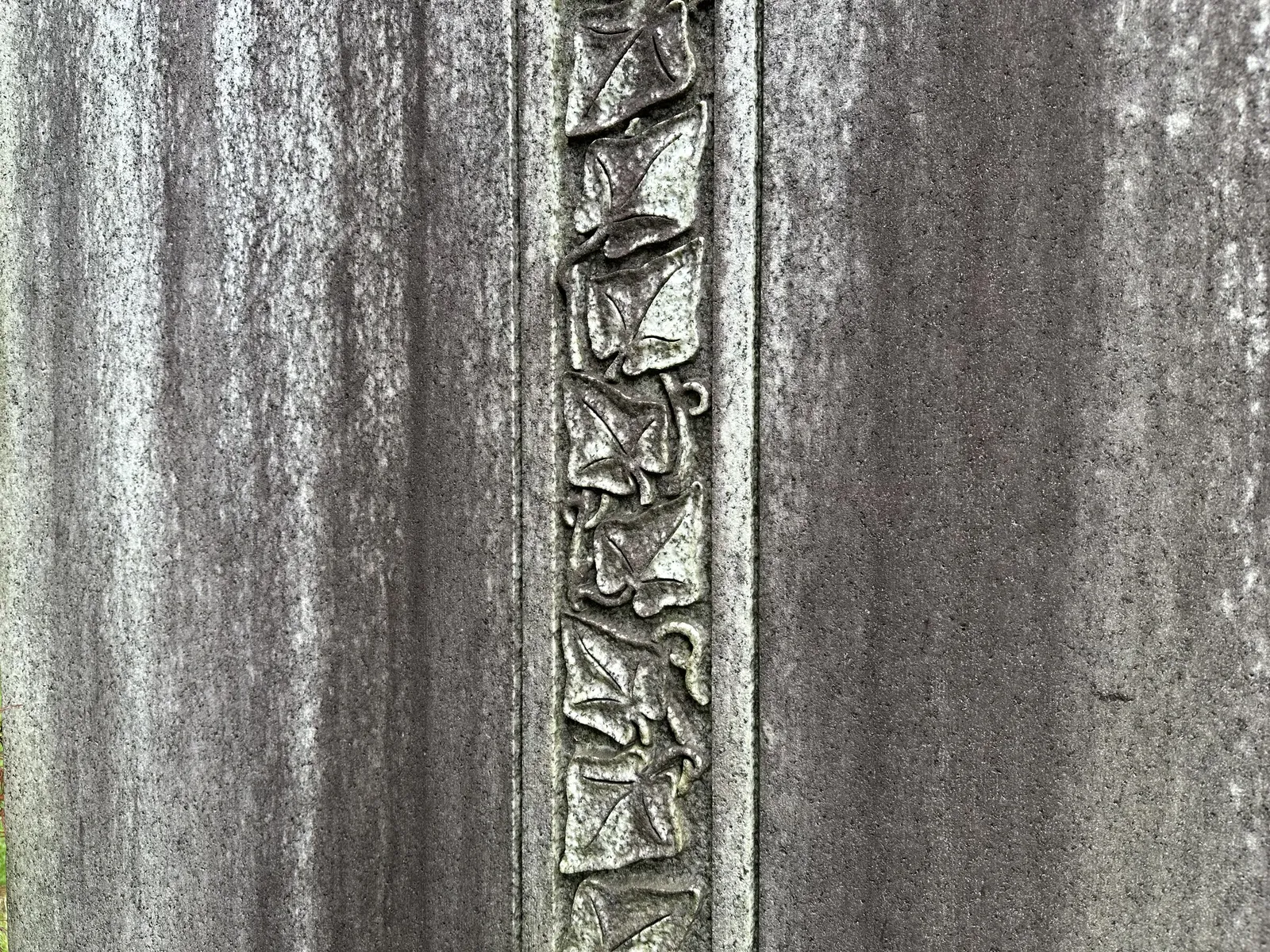
Granite will almost always clean up dramatically with the right method, especially when the issue is surface growth, general dirt, or long-term weathering on the face of the stone. In many cases, the difference is immediate. Deeper staining, rust, or other discoloration can be harder to remove completely, but a standard cleaning is often still enough to improve the stone substantially and allow some of that staining to continue lightening over time. More involved treatment options do exist where that level of work makes sense.
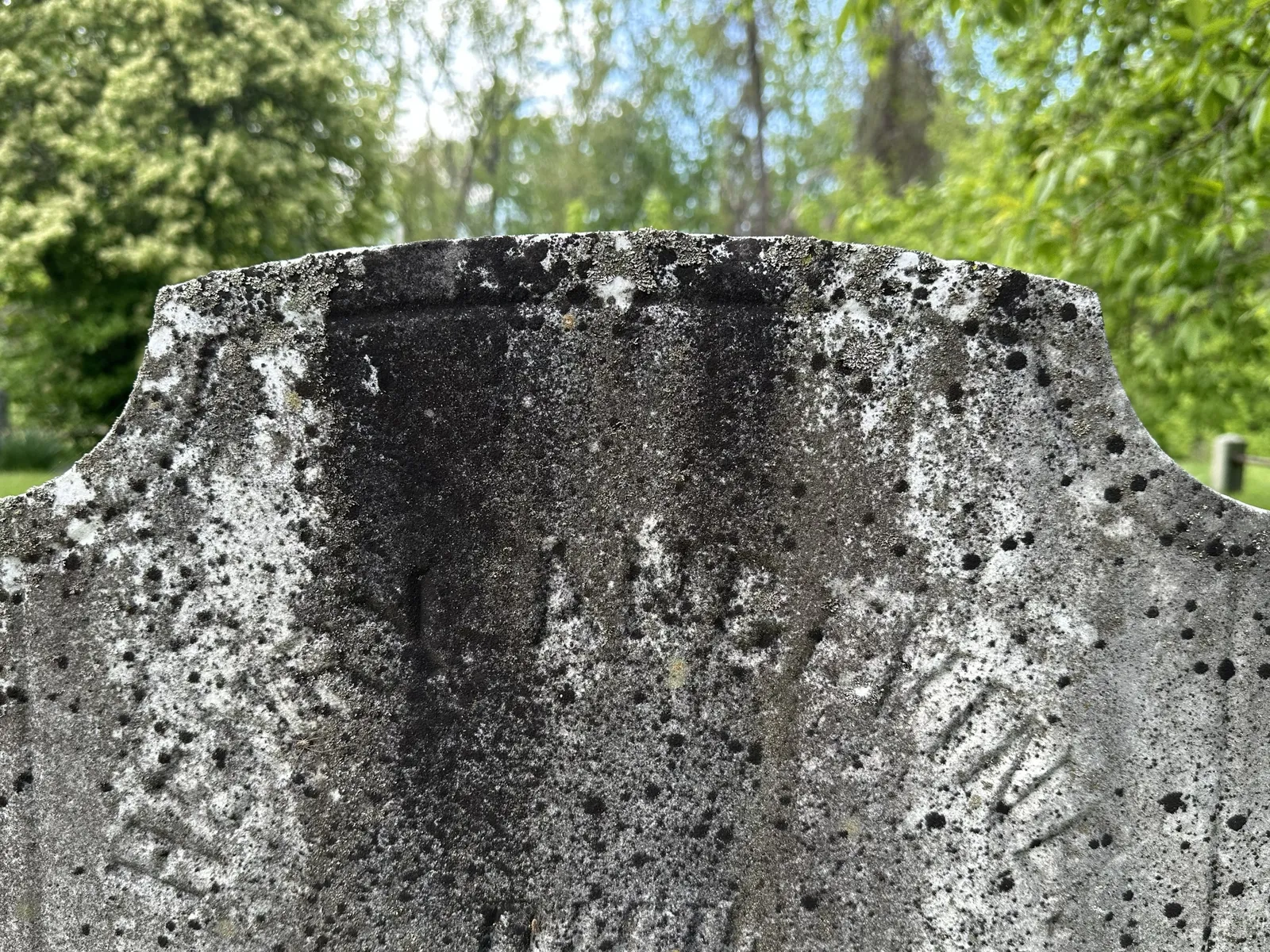
Older marble stones have to be approached differently. Because marble is softer and more vulnerable to surface loss, gentler methods and materials are used to preserve the integrity of the stone. That changes the pace and the expected result. Granite often shows a sharp visual improvement right away. Marble is usually slower, and the change may be less dramatic even when the work is done properly.
AGE & CONDITION
Age and condition
Two stones can carry the same buildup and clean very differently. What is happening to the stone underneath often determines the outcome more than the buildup on top.
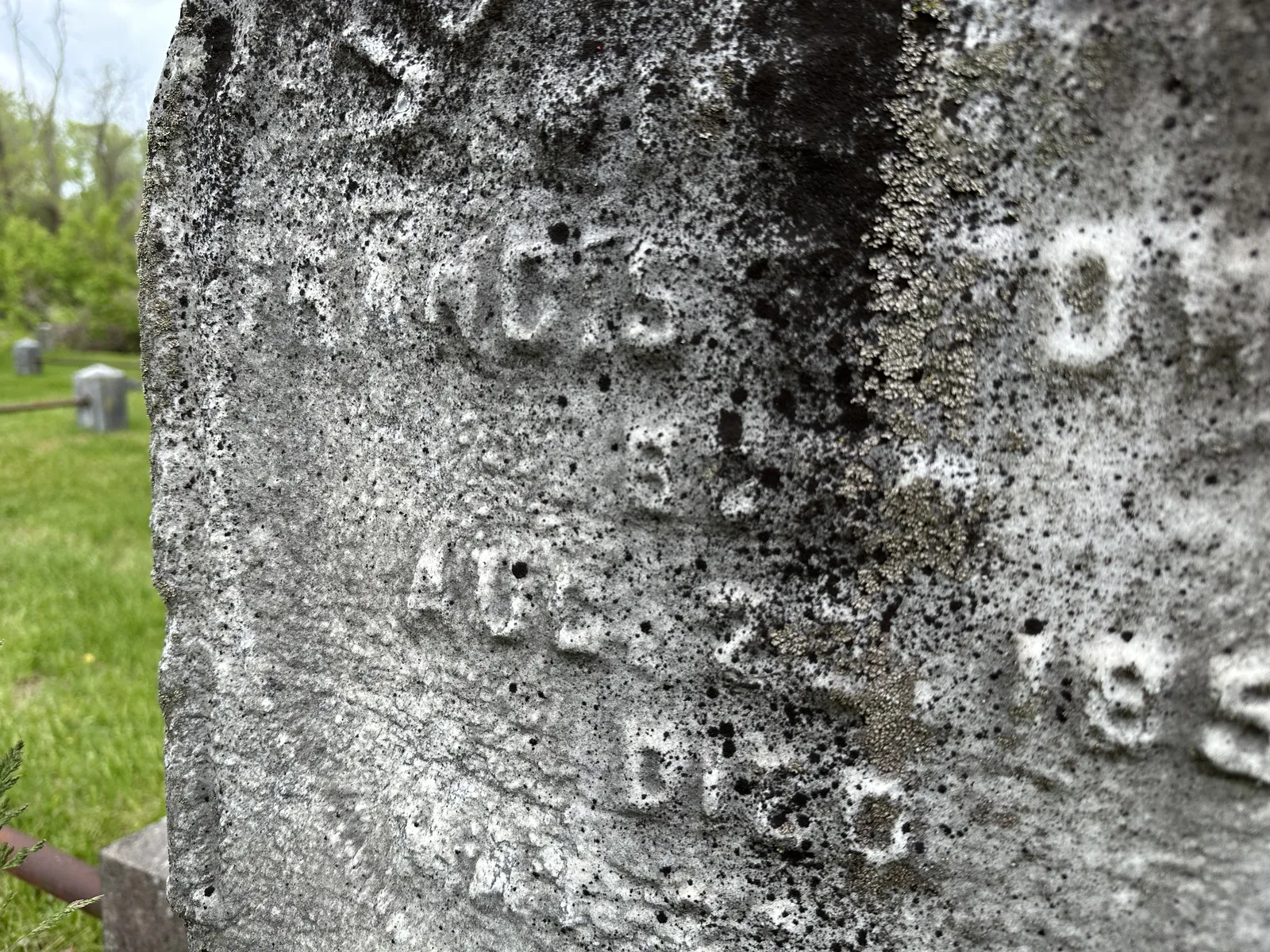
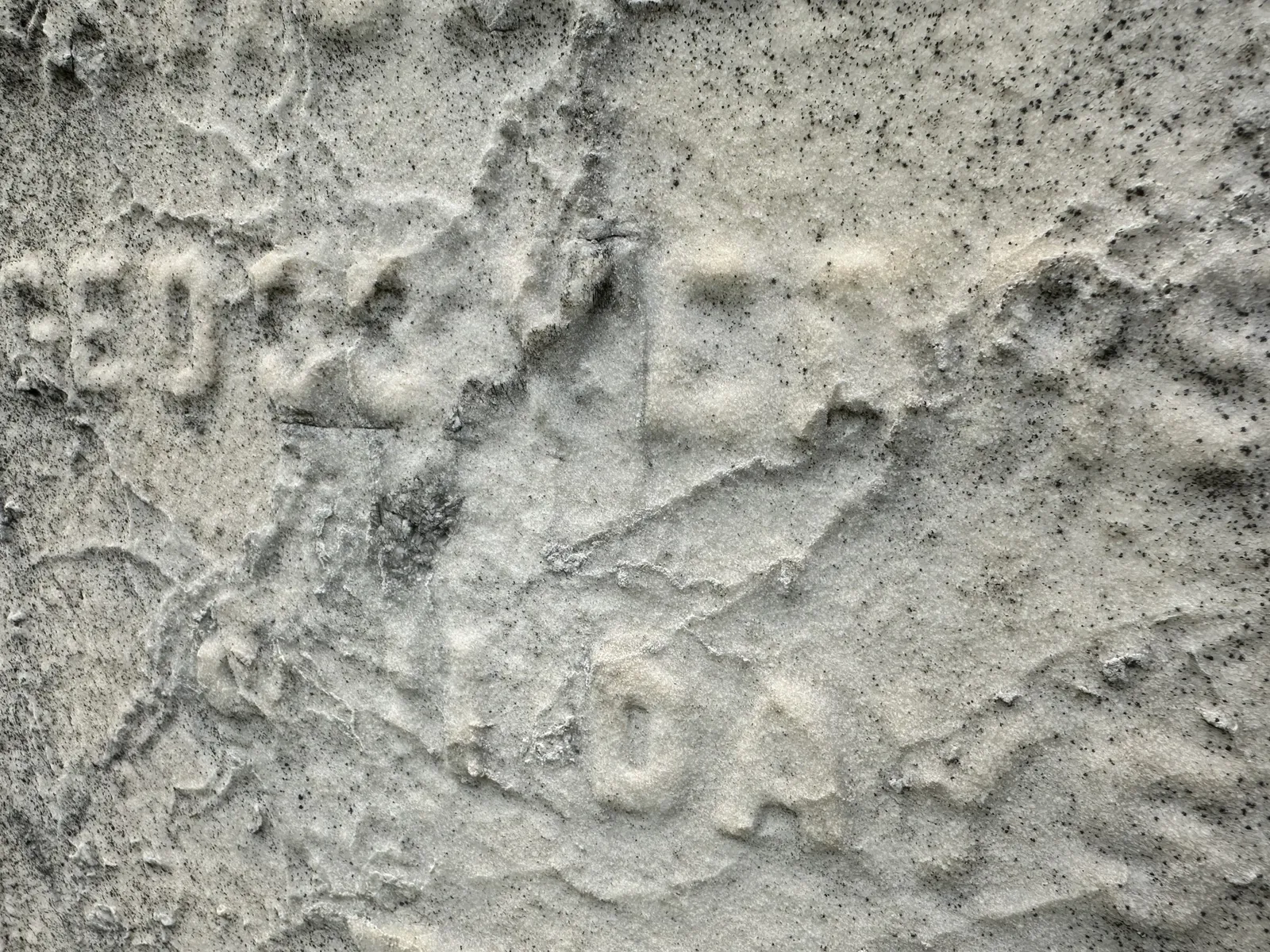
The condition of the stone matters just as much as the material itself. A sound stone with heavy buildup may clean beautifully. A stone with surface erosion, sugaring, delamination, or prior damage may still improve, but the result will not look the same. Cleaning can remove growth, staining, and general buildup. It cannot replace material that has already worn away. Telling the difference between a stone that is simply dirty and one where age and surface loss are already part of the picture is part of how we approach the work.
ENVIRONMENT
Environment
Where a memorial sits affects both how dirty it gets and how long the stone stays clean after the work is done.
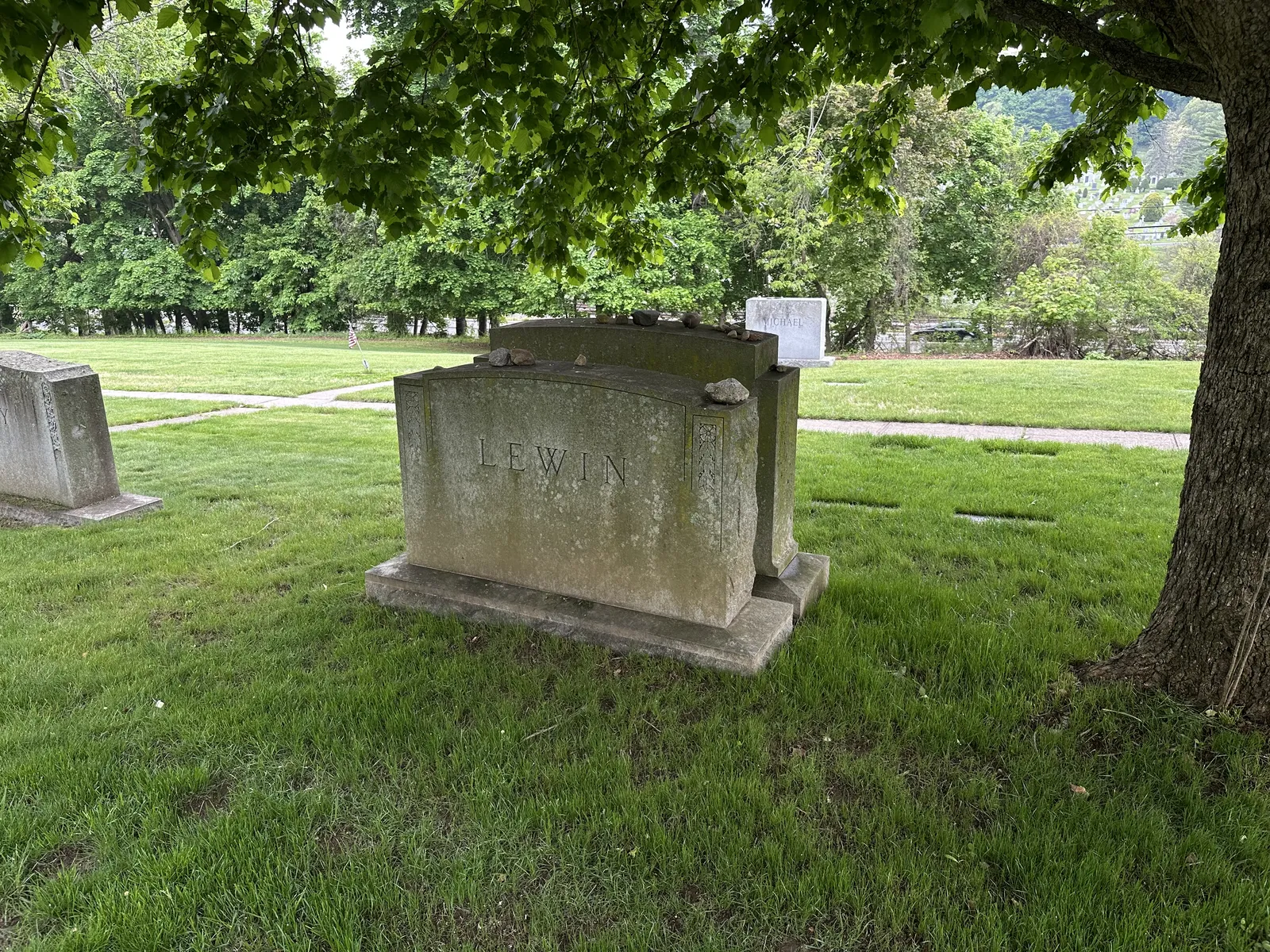
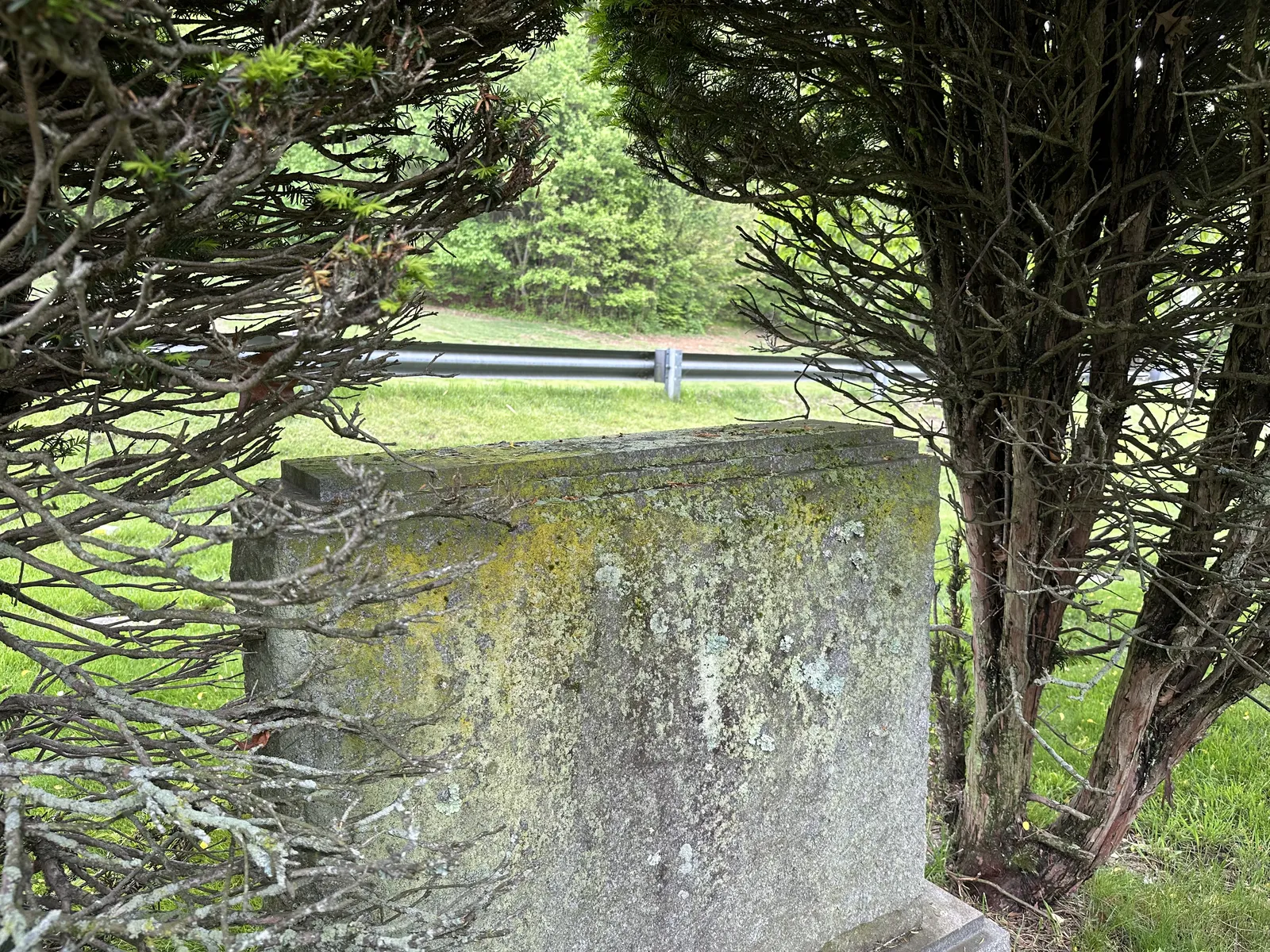
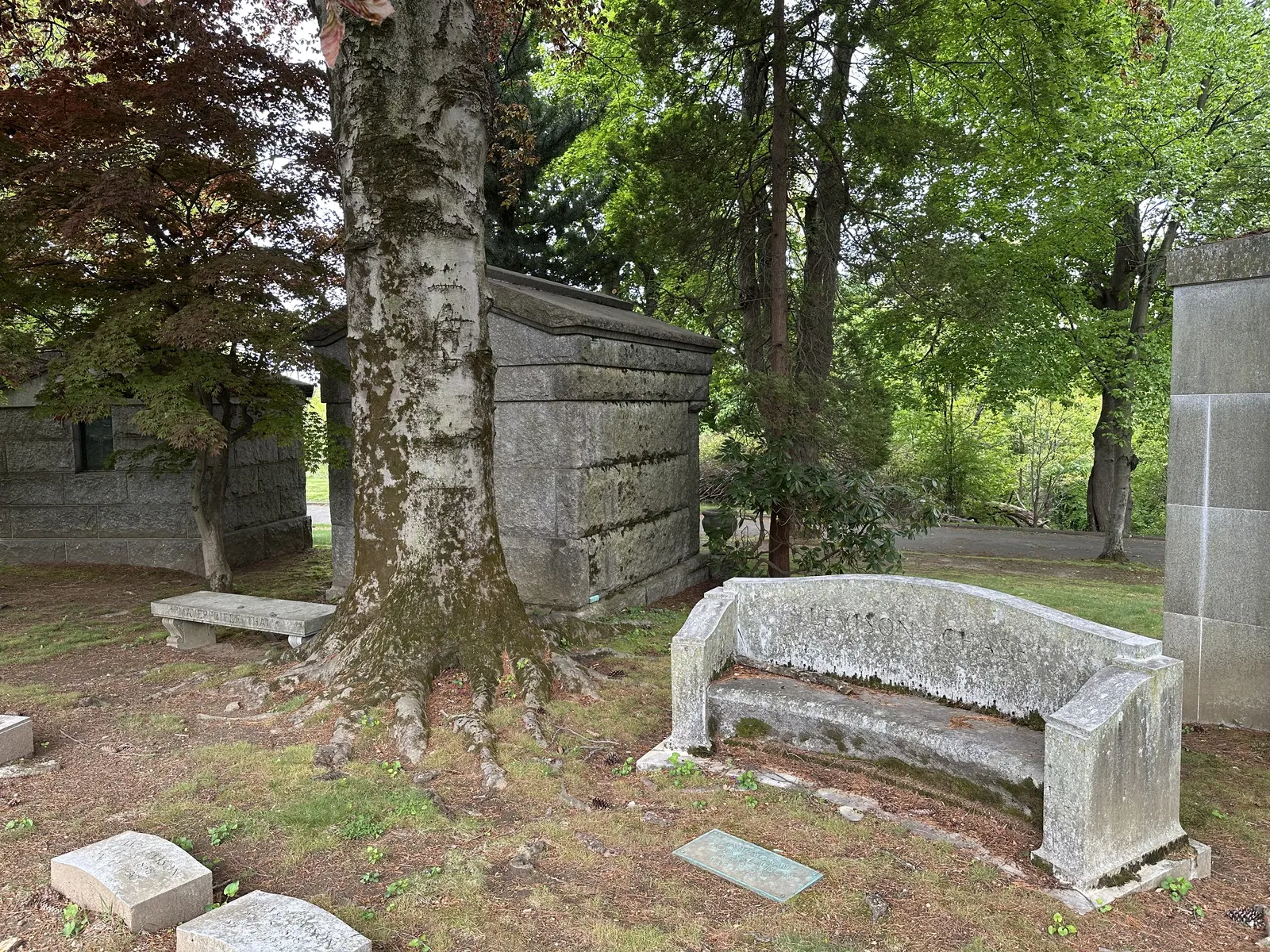
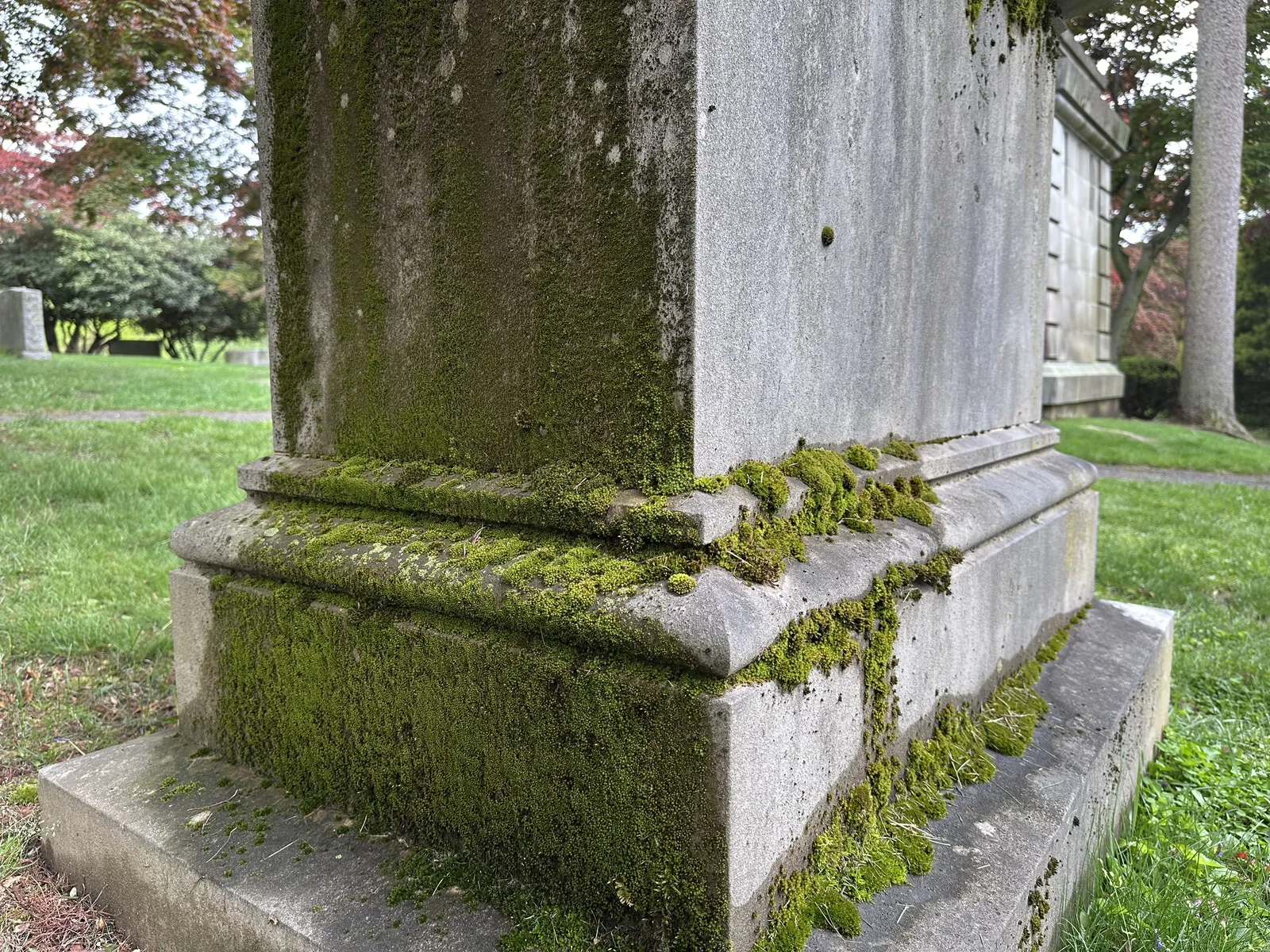
The setting around the memorial affects both the cleaning process and how long the result is likely to hold. Shade, moisture, nearby trees, poor air circulation, and low areas that stay damp all encourage biological growth. A stone in open sun with good air movement will often stay cleaner longer than one tucked under heavy tree cover. The environment does not just explain why the stone got dirty in the first place — it also helps set realistic expectations for how quickly growth may return.
TYPE OF BUILDUP
Type of buildup
Biological growth, atmospheric staining, and mineral deposits all behave differently on stone. The first part of cleaning is identifying what is actually there.
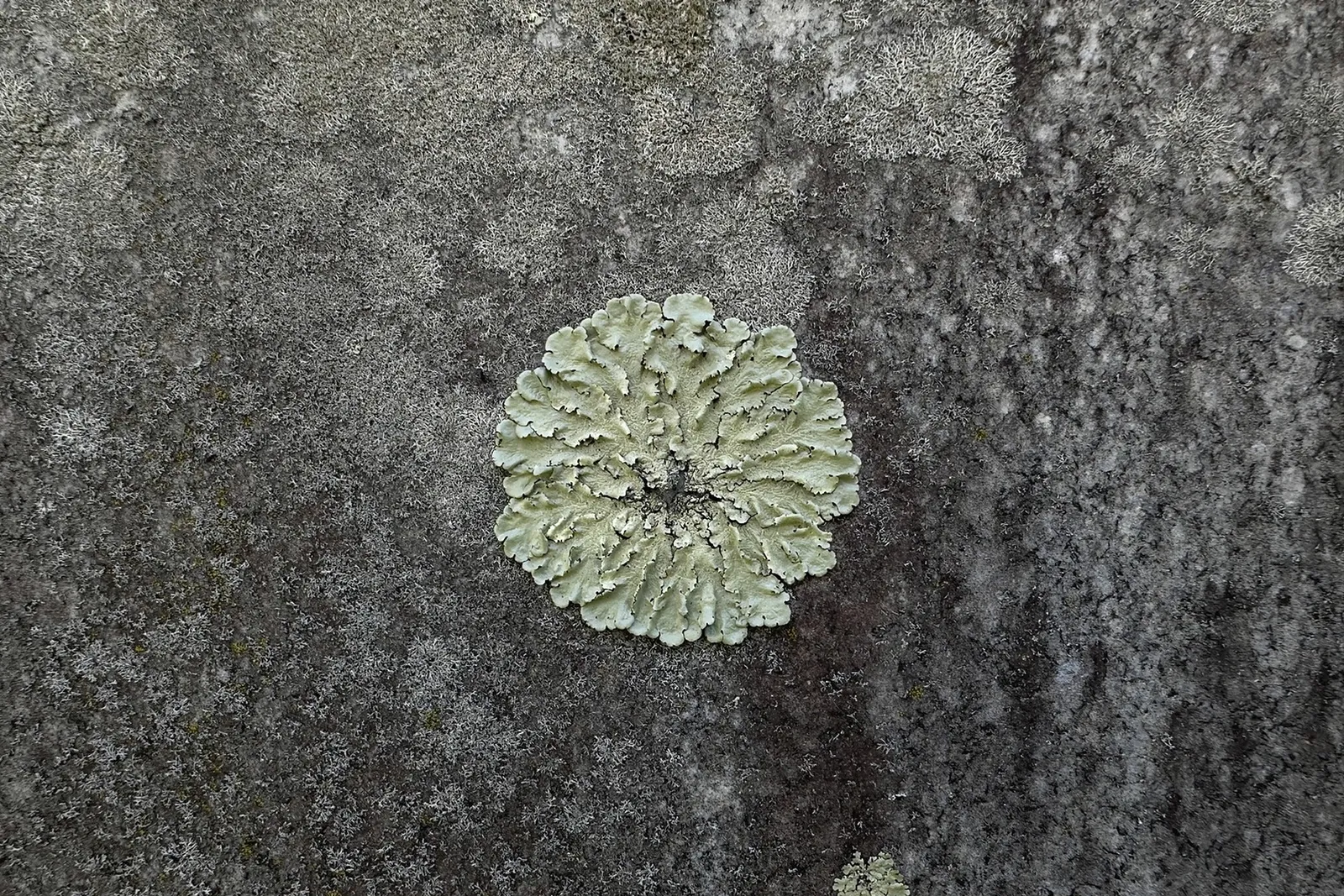
Not all buildup is the same. Moss, algae, and general surface growth are often the most straightforward to reduce — they sit on top of the stone and rinse away with the right method. Lichen is more serious. It attaches more firmly to the surface, holds moisture against the stone, collects pollutants, obscures inscriptions, and over time contributes to surface deterioration.
That matters on granite, and even more so on older marble. On sound granite, lichen and surface growth will usually reduce well with proper cleaning, often making a dramatic difference in appearance and readability. On older marble, the same growth may still be removable, but the stone itself is often softer and more weathered, so the visual change may be less dramatic even when the cleaning is successful.
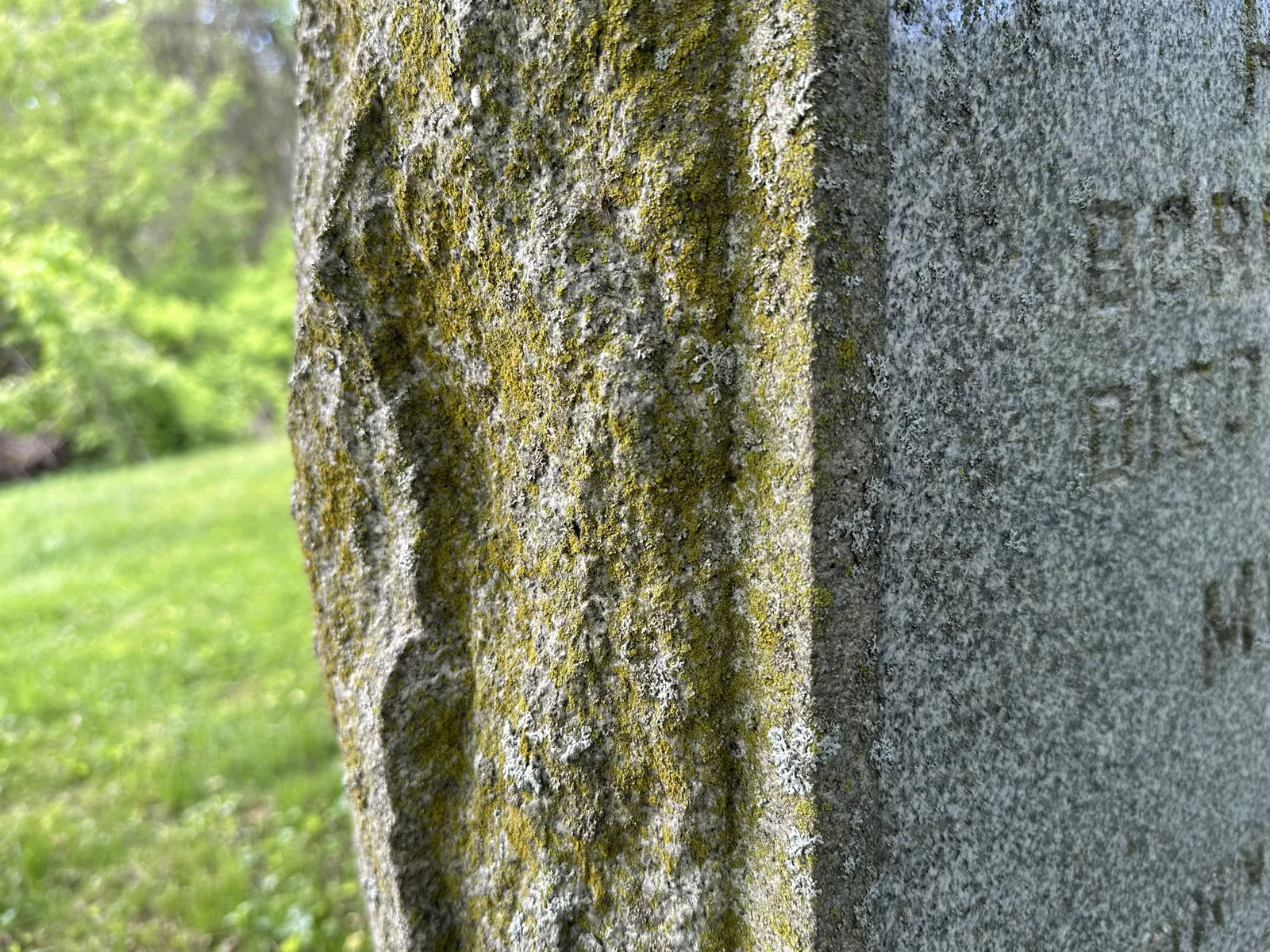
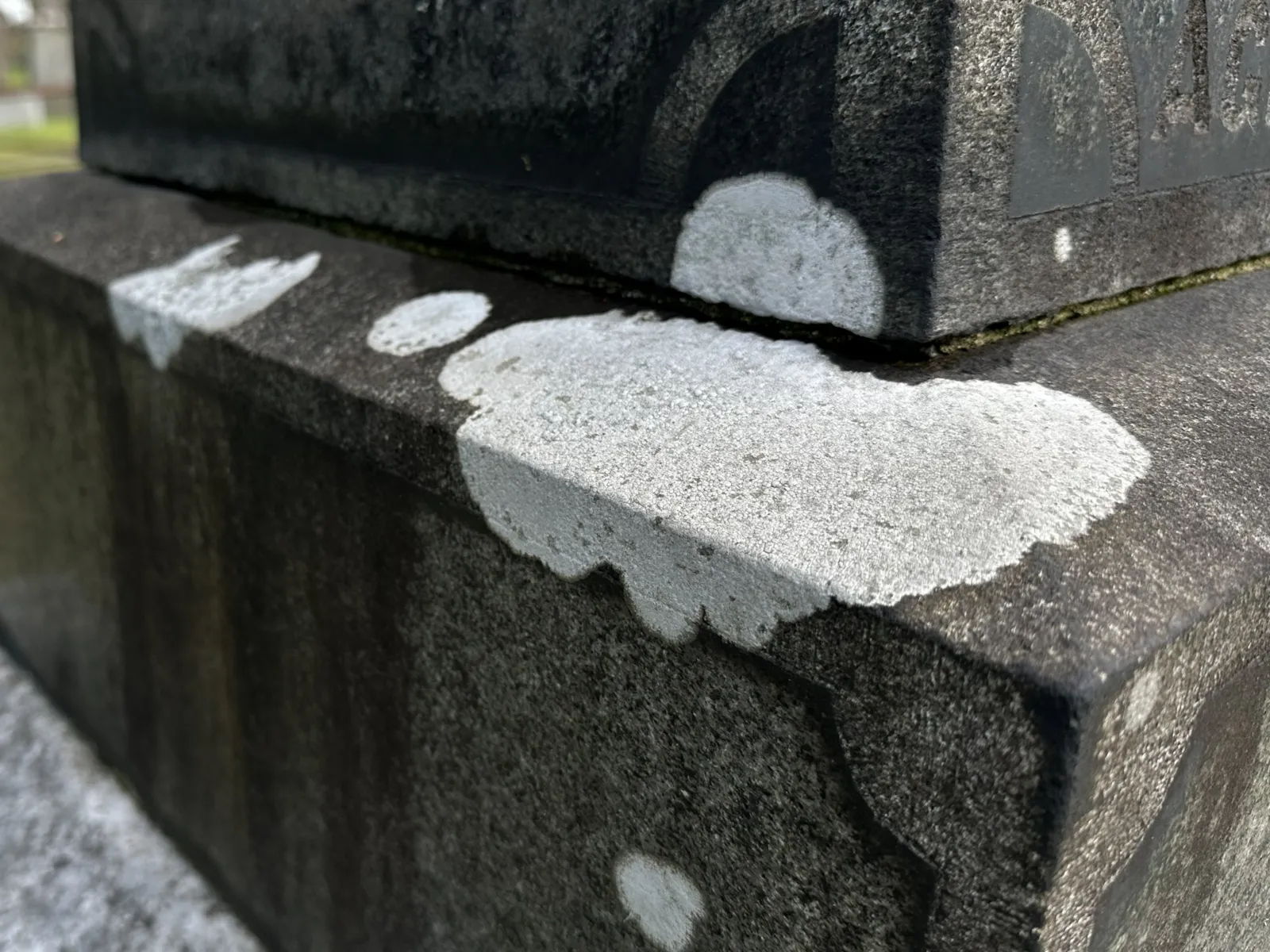
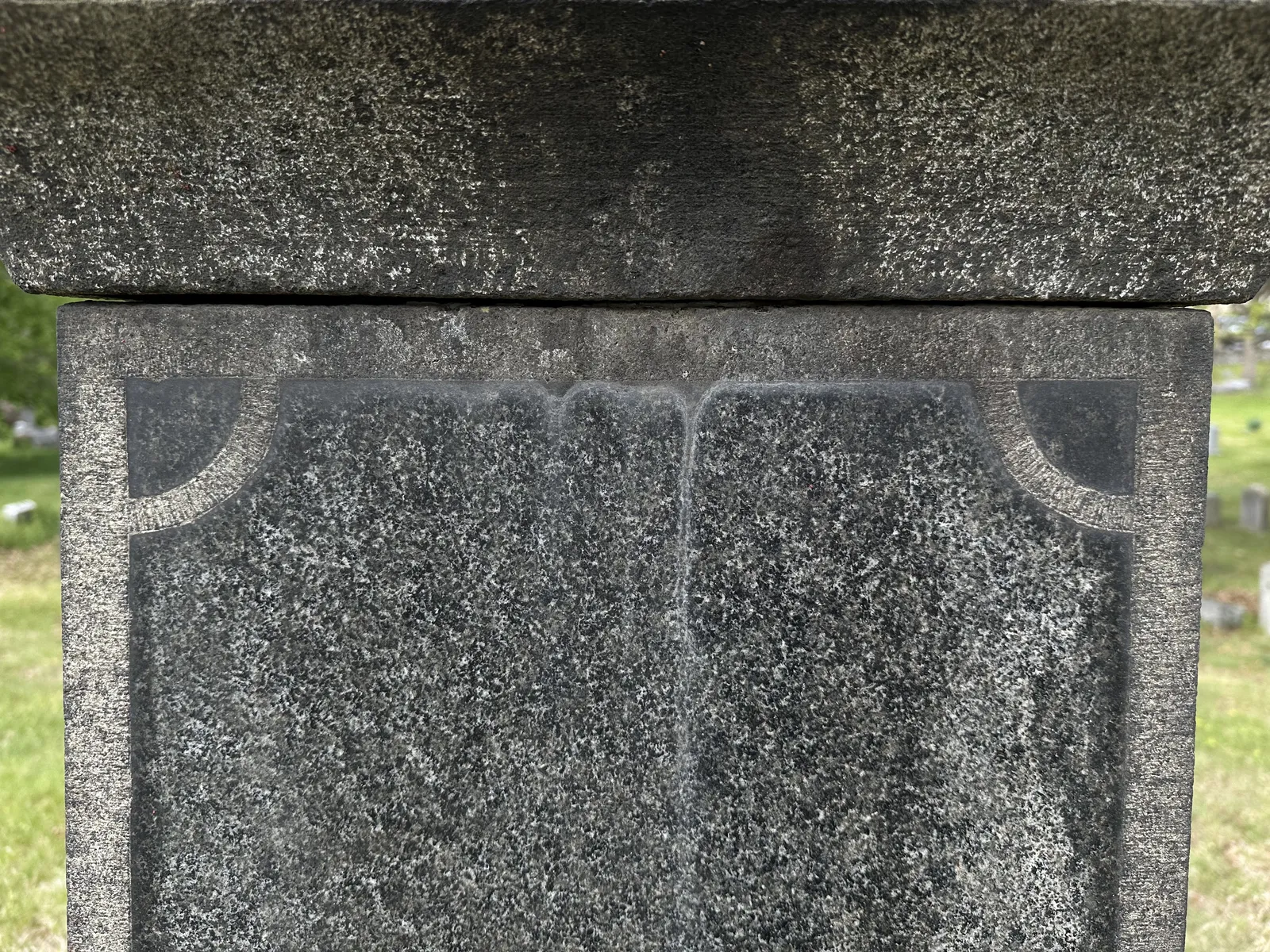
Even within lichen, some types are harder to fully reverse. Crustose lichen — the flat, crust-like growth pictured above — does more than sit on the surface. It bonds into the stone itself, which is what allows it to take hold so firmly in the first place. The growth can be removed, but where it has been in place for a long time, faint shadowing or surface change is sometimes left behind even after a successful cleaning.
Other conditions can be slower or less complete. Iron staining, rust, calcium deposits, darker atmospheric staining, and discoloration that has worked deeper into the surface may only lighten rather than fully disappear with a standard cleaning.
Part of the work is understanding what is sitting on the surface, what has begun to affect the stone itself, and what kind of improvement is realistically possible before deciding whether standard cleaning is enough or whether a more involved solution is worth discussing.

WHY THIS MATTERS
Why this matters
Each of these variables changes what cleaning can achieve and how the work has to be done. That is why the method is matched to the stone in front of us — recognized from experience, not chosen by default.
A cleaning that looks bright on day one is not the same as one that holds up. The wrong product on softer stone, or too much pressure on a weathered surface, can cause damage that does not show up right away. Reading the stone first — and choosing a method appropriate to what is actually there — is what makes the difference between a result that improves a memorial and one that costs it material it cannot get back.
FREQUENTLY ASKED
Cleaning FAQs
Questions families often ask before scheduling a cleaning.
How do I know if a monument needs professional cleaning?
Visible moss, lichen, or green and black biological growth means the stone should be cleaned — that growth is actively affecting the surface. Faded or hard-to-read lettering is another clear sign. If you are unsure, send us a photo and we will give you a straight answer.
Can cleaning damage a monument?
Yes, if done wrong. Too much pressure, acidic or bleach-based products, or abrasive tools can all cause permanent damage. That is why method matters. We use approaches appropriate to the stone type and its condition.
Will the lettering be more readable after cleaning?
Usually yes. Biological growth and dirt that fills carved letters is a major cause of reduced readability. Cleaning typically restores significant legibility on its own.
How long does cleaning last?
It depends on the environment. Stones in shaded, damp areas tend to regrow biological matter faster than those in open, sunny sections. Cleaning every few years is reasonable for most stones in Vermont conditions.
Can you clean any type of stone?
We work on granite, marble, limestone, and sandstone. Older marble and limestone are softer and require more care, so we adjust our approach accordingly. If a stone is too fragile to clean safely, we'll let you know.
GET STARTED
Start with a photo.
Send us a picture of the stone and the cemetery name. We will tell you what we are looking at, what cleaning would involve, and what kind of result is realistic.