
MONUMENTS
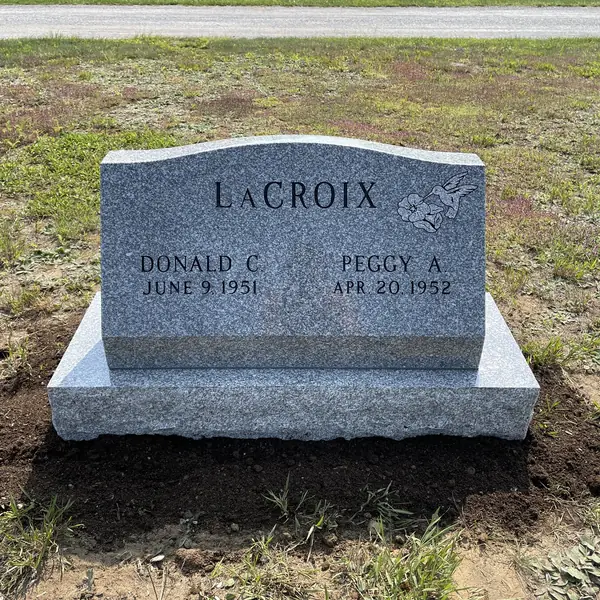
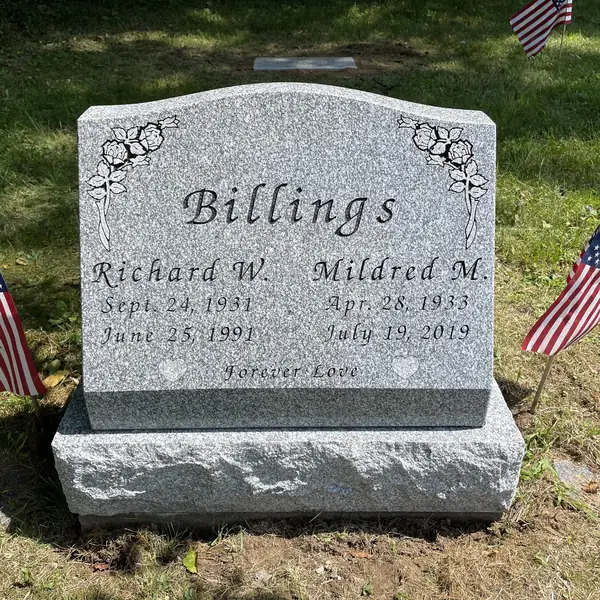
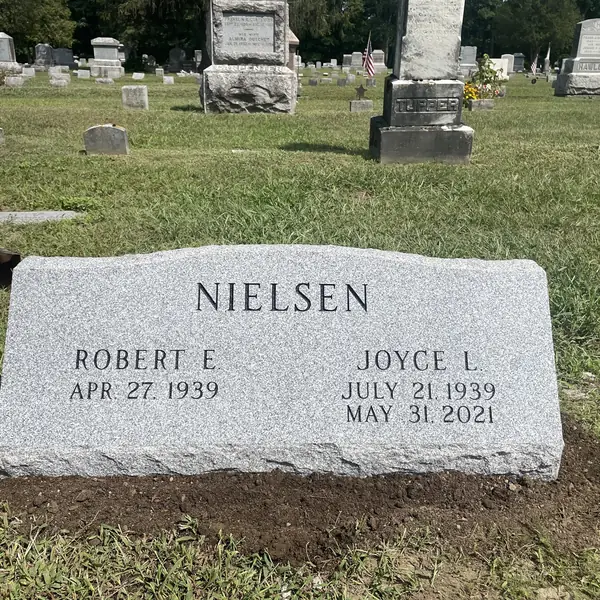
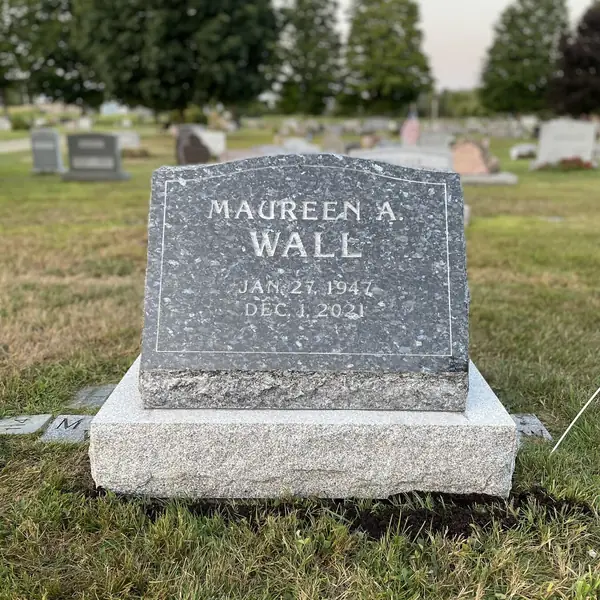
Slant Monuments
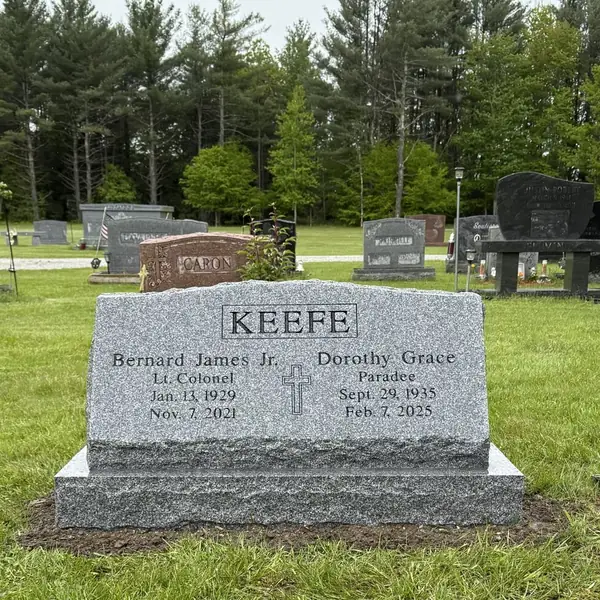
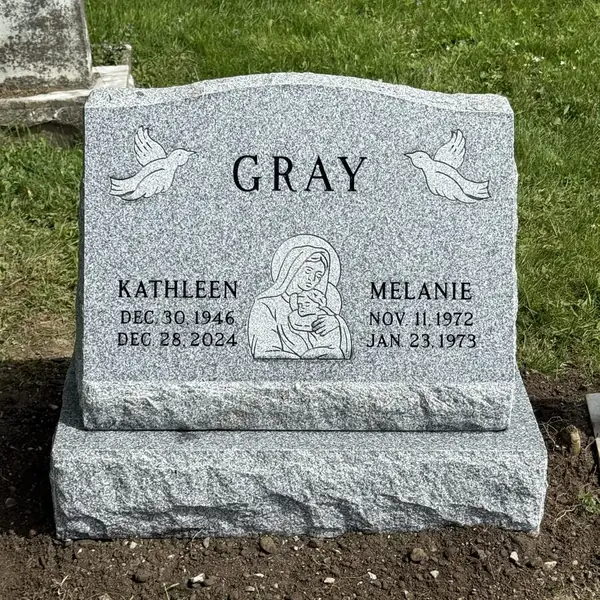
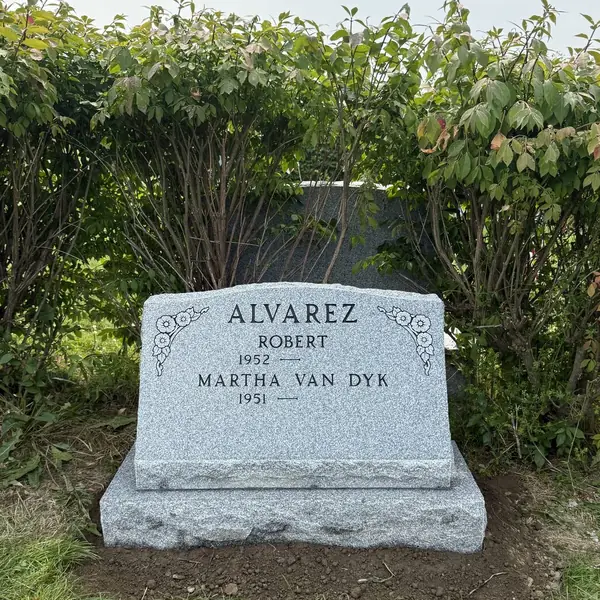
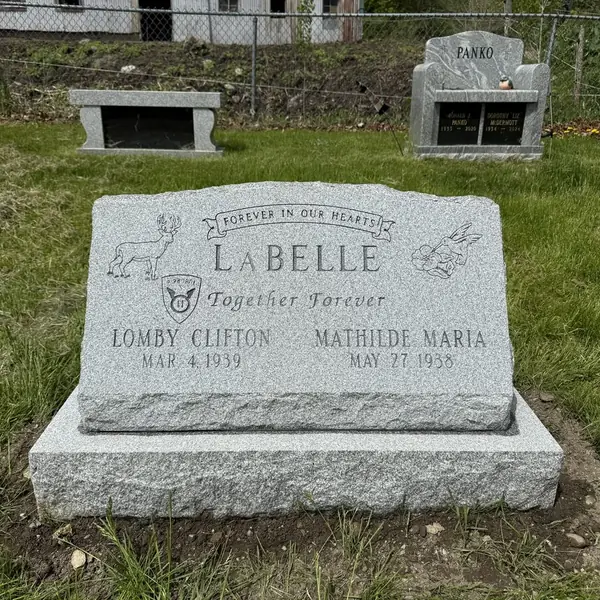
A lower-profile alternative to the classic upright — clean lines, easy readability, and a quiet presence that suits most any setting. We'll help you find the right fit.
ABOUT SLANTS
What is a slant monument?
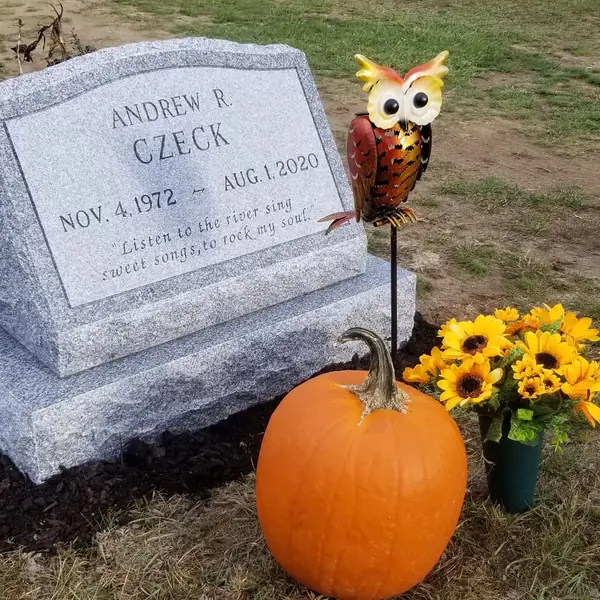
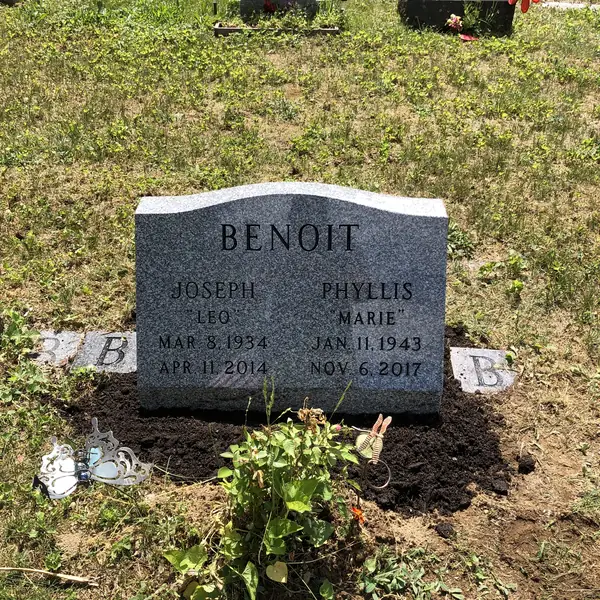
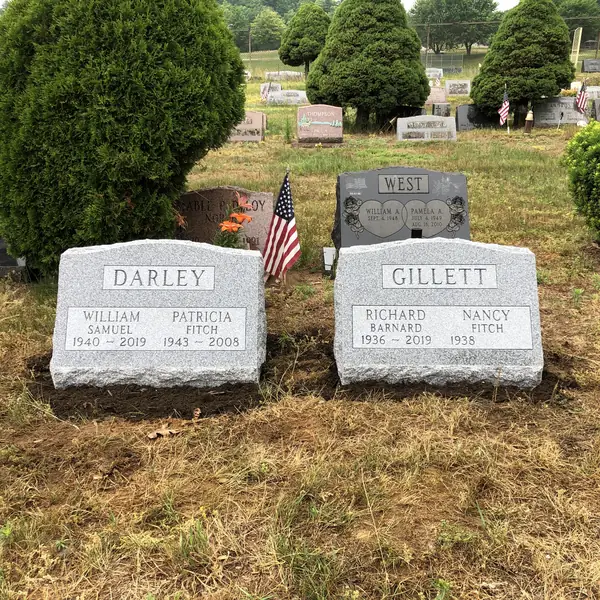
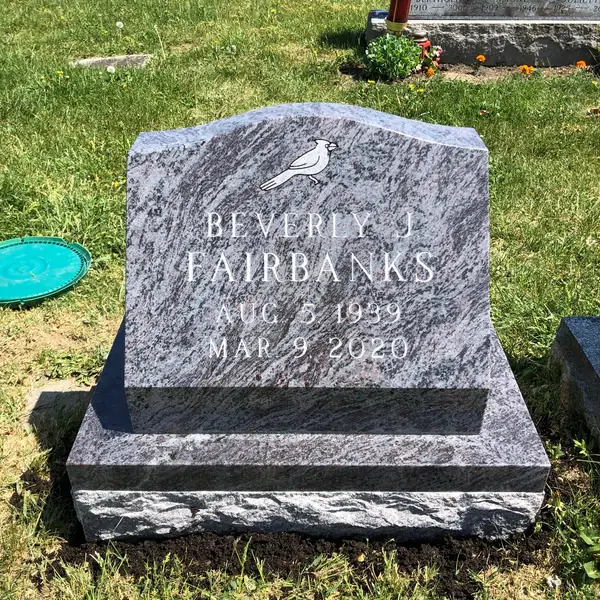
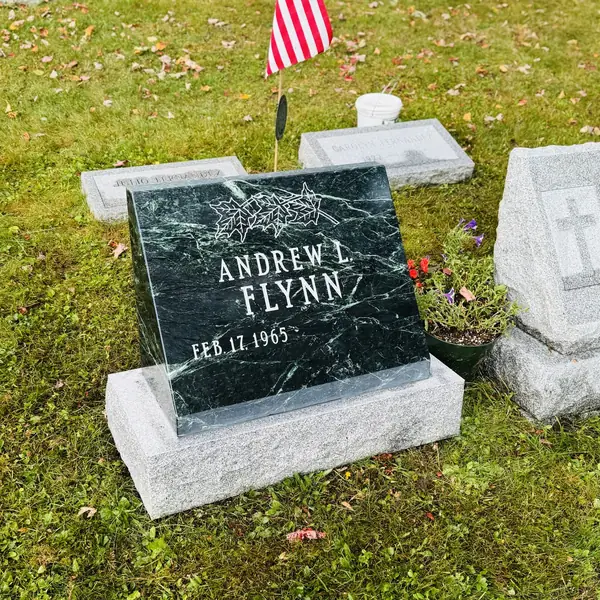
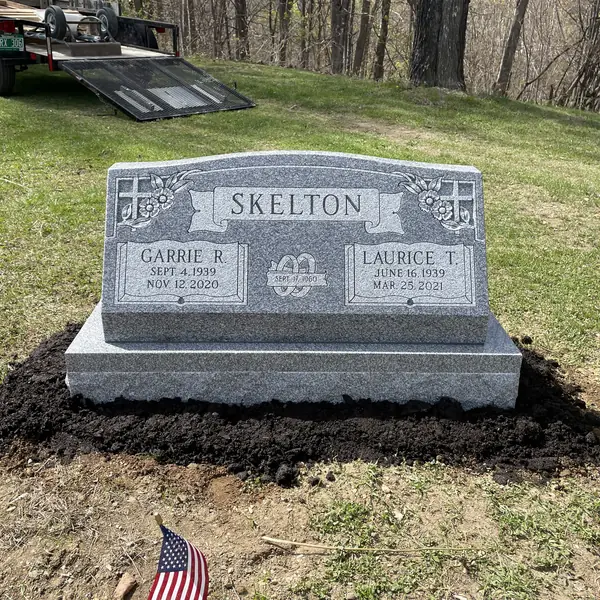
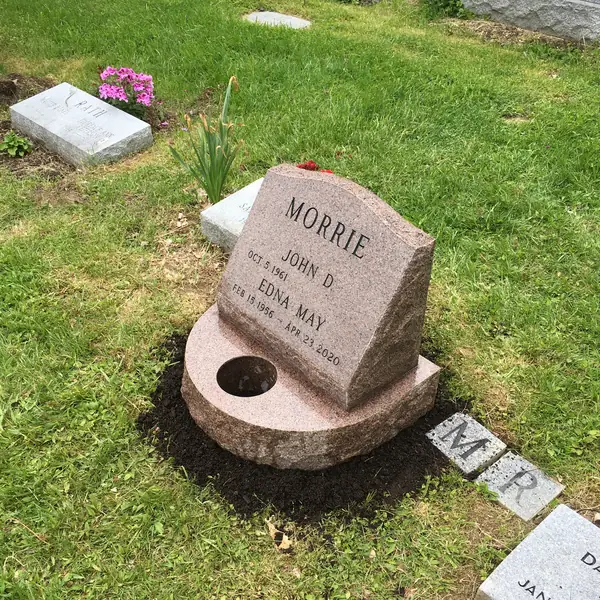
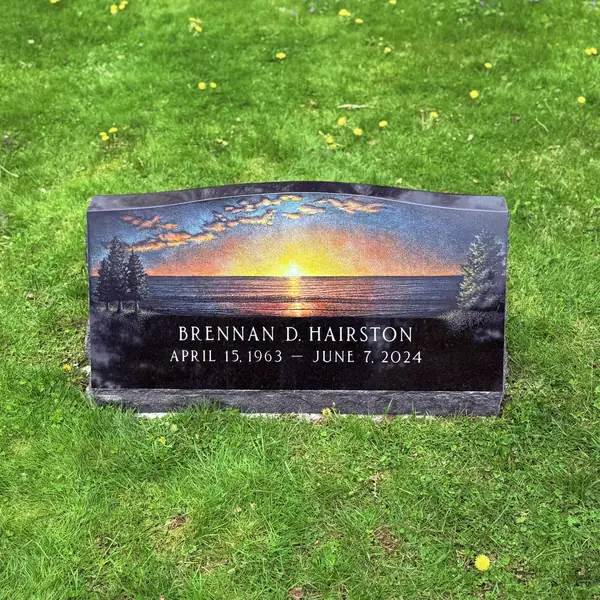
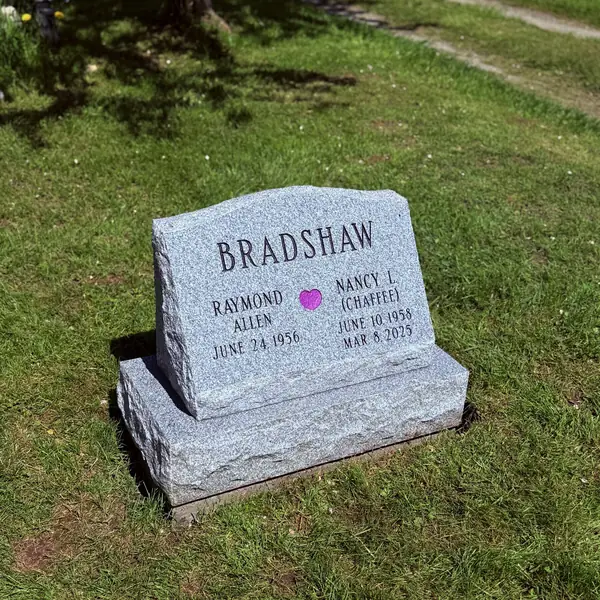
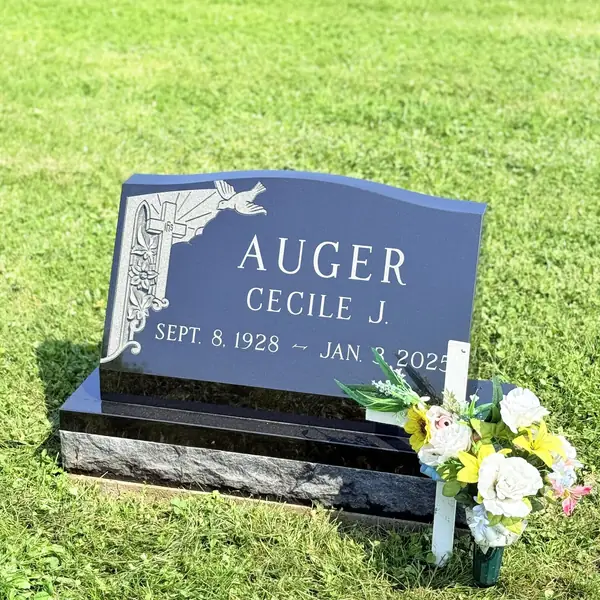
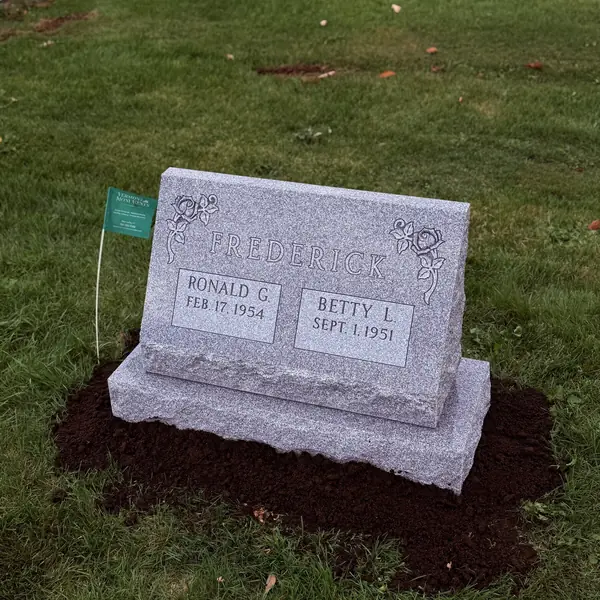
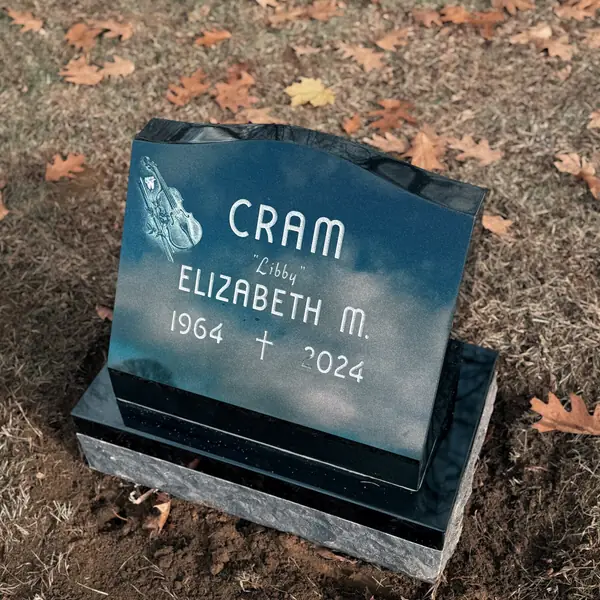
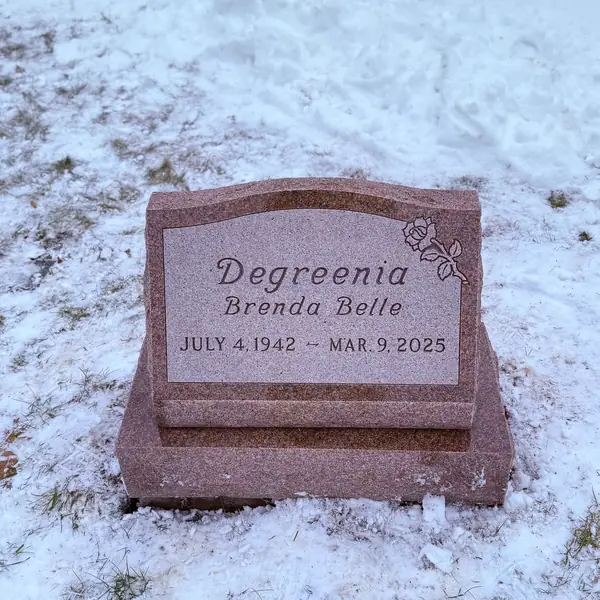
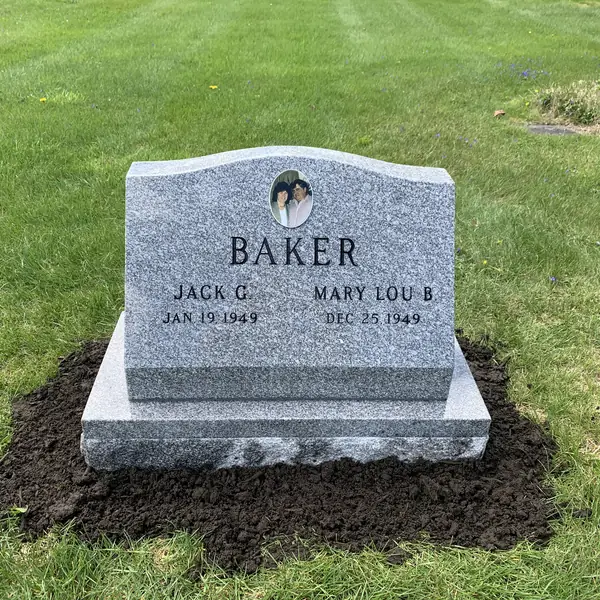
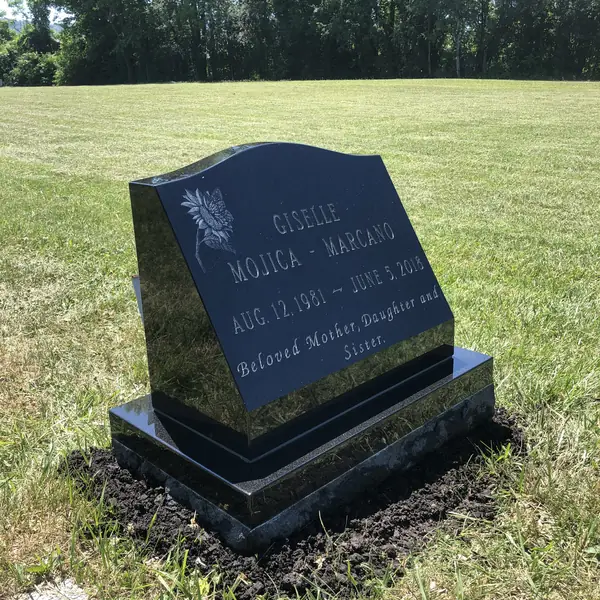
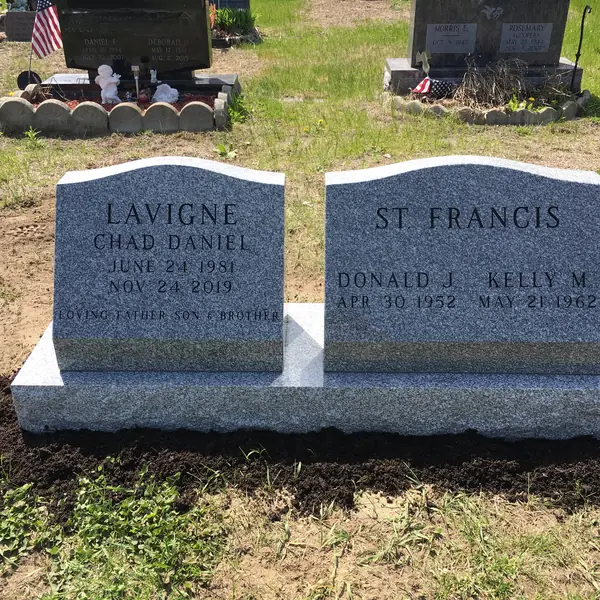
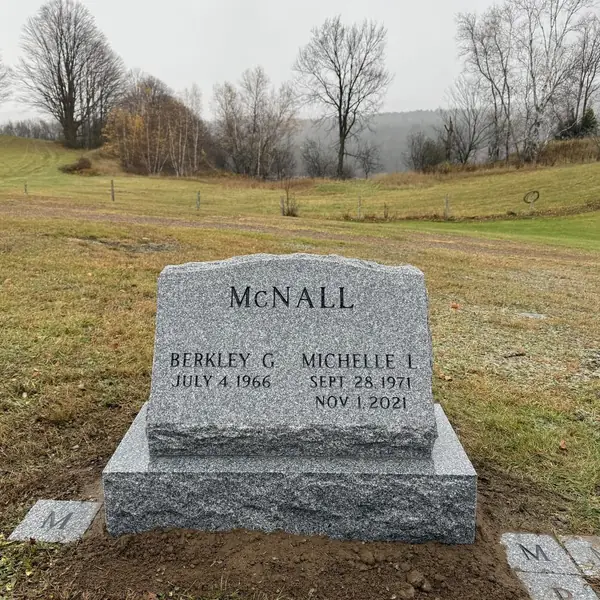
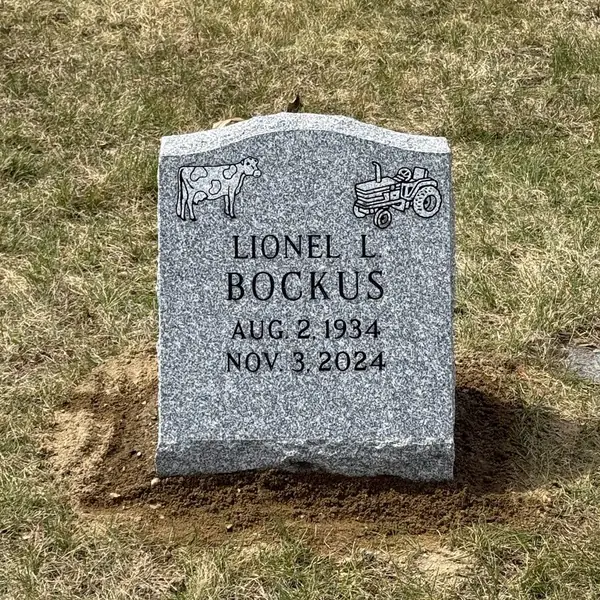
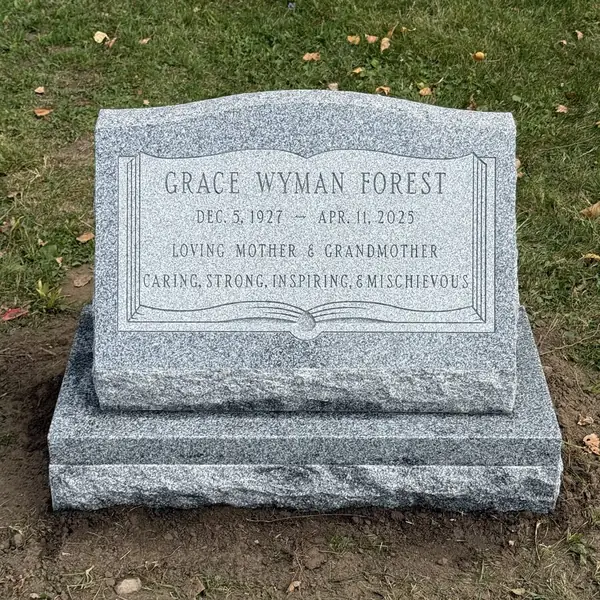
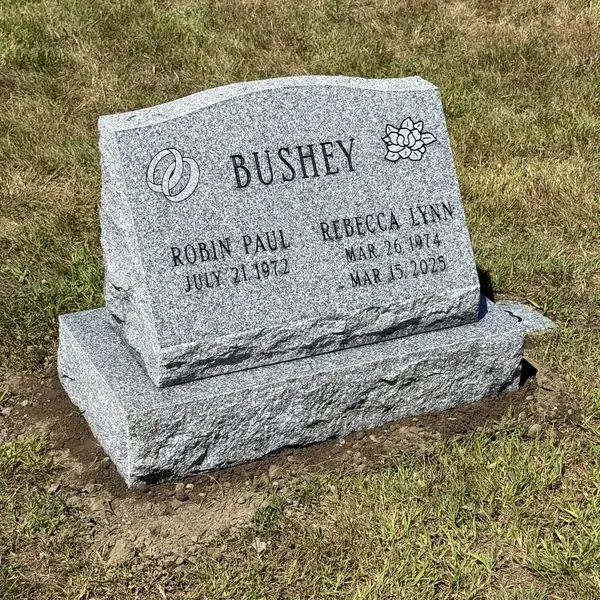
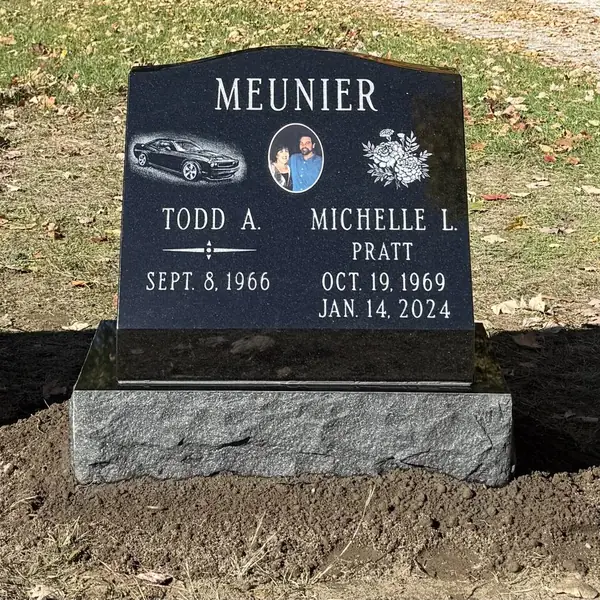
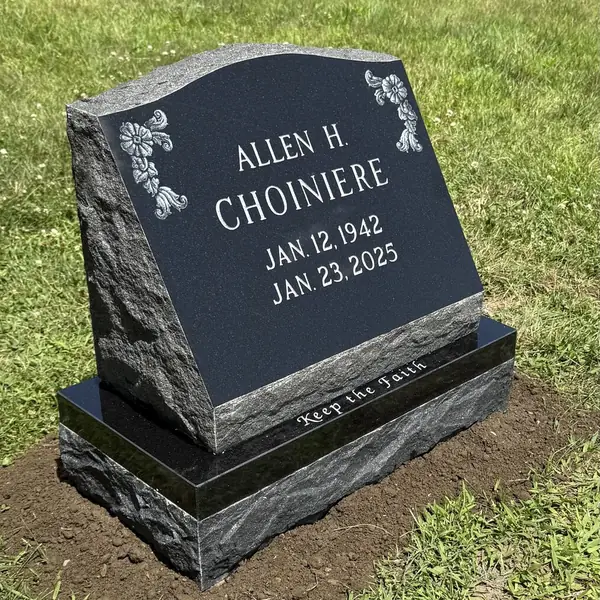
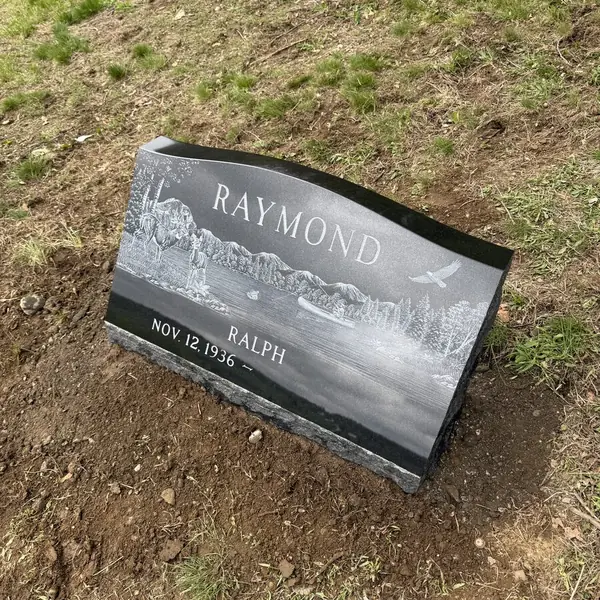
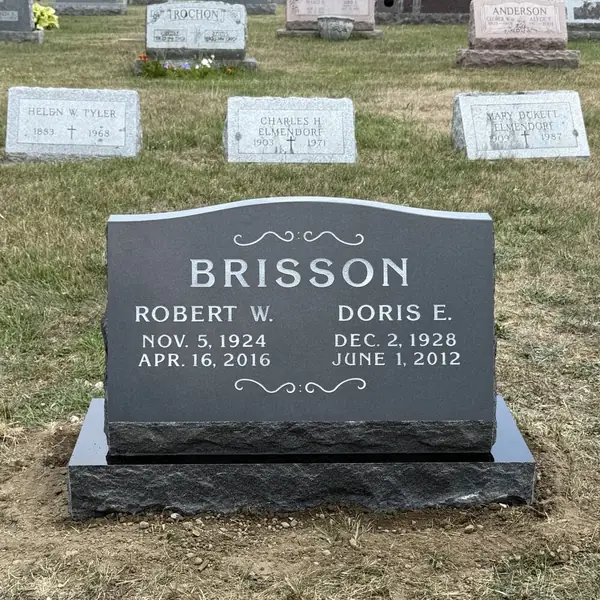
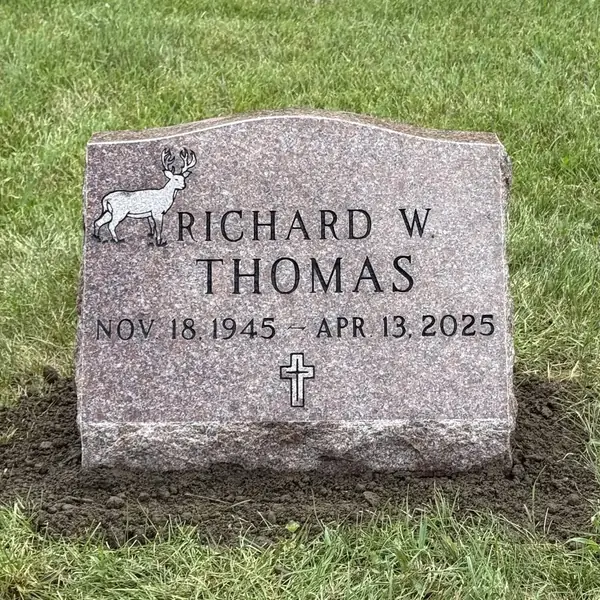
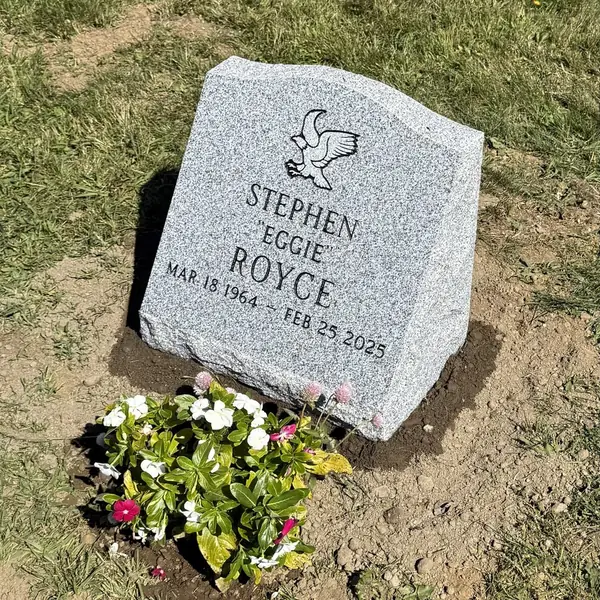
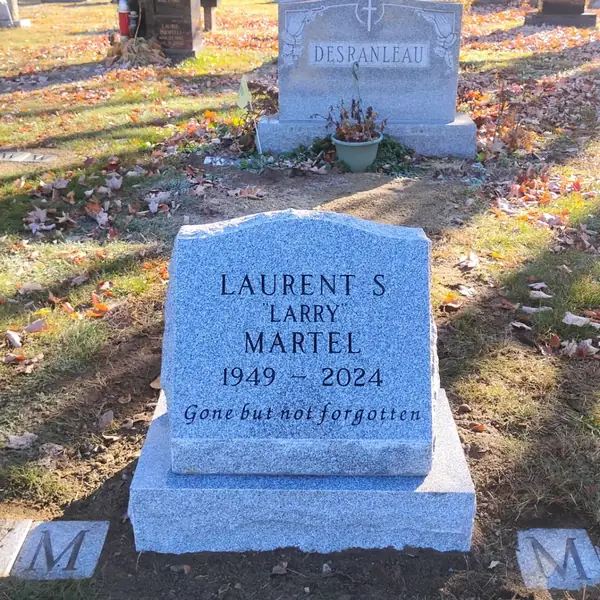
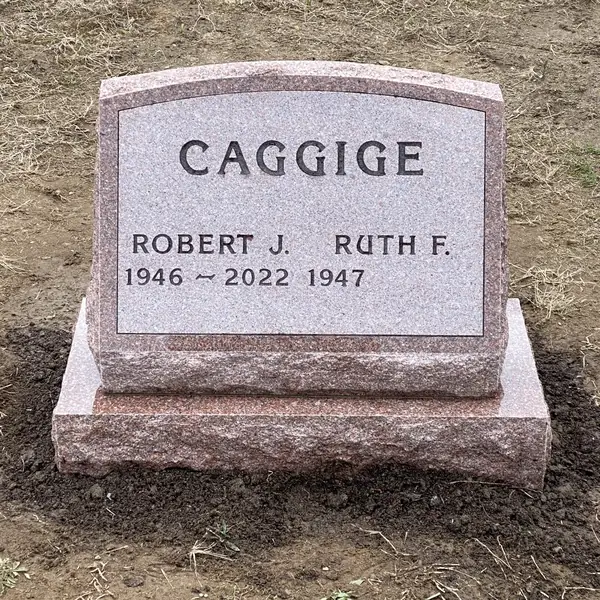
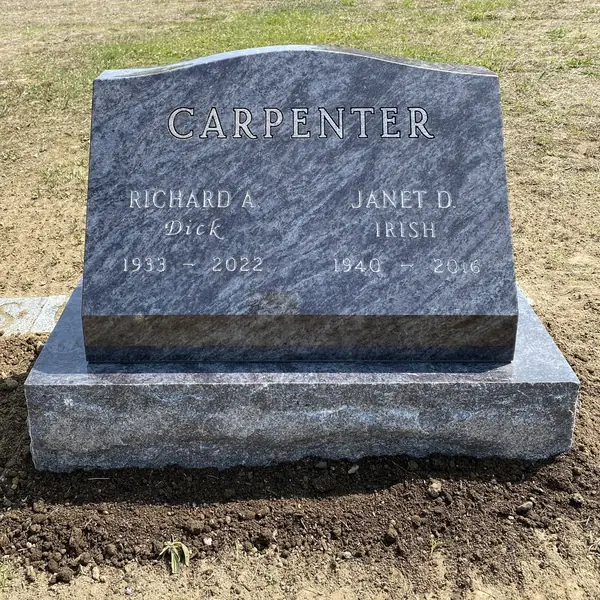
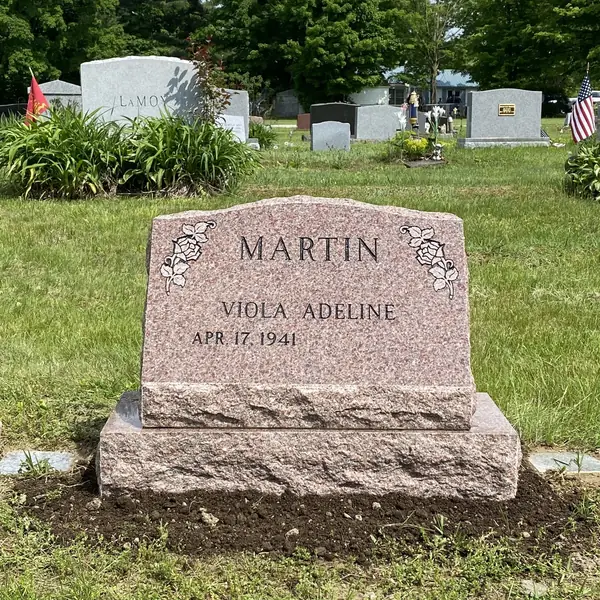
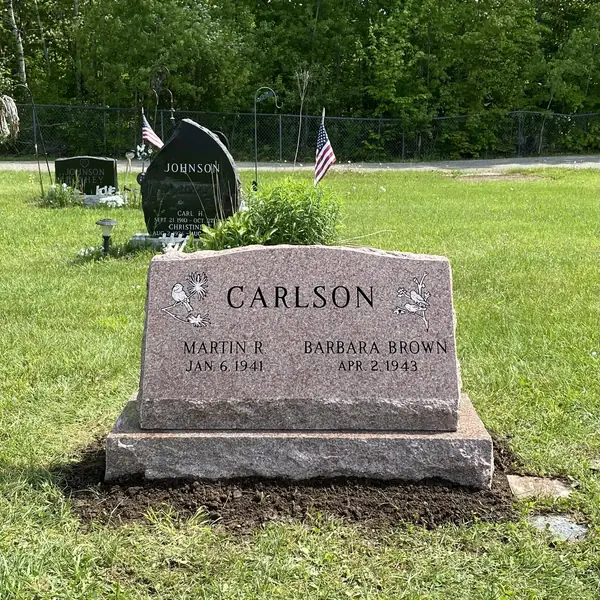
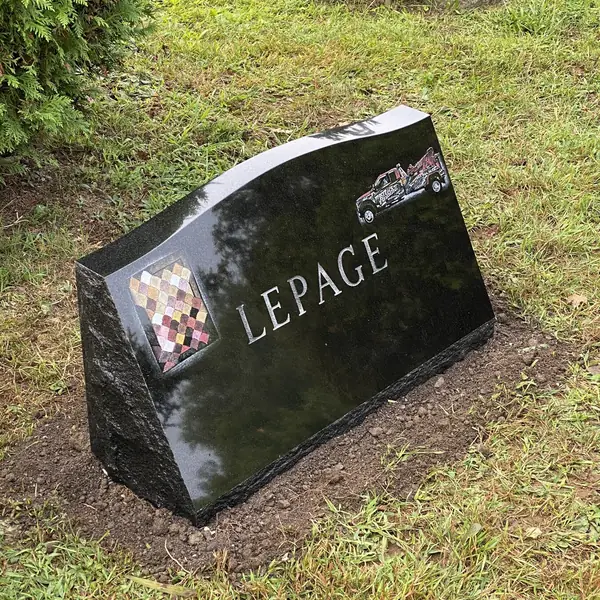
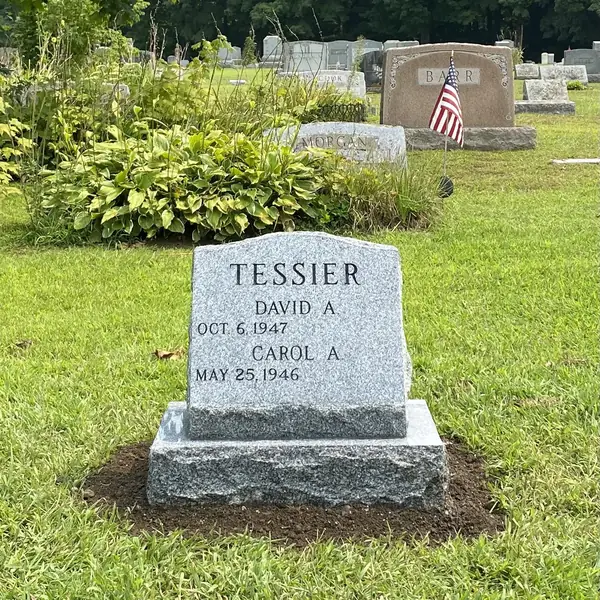
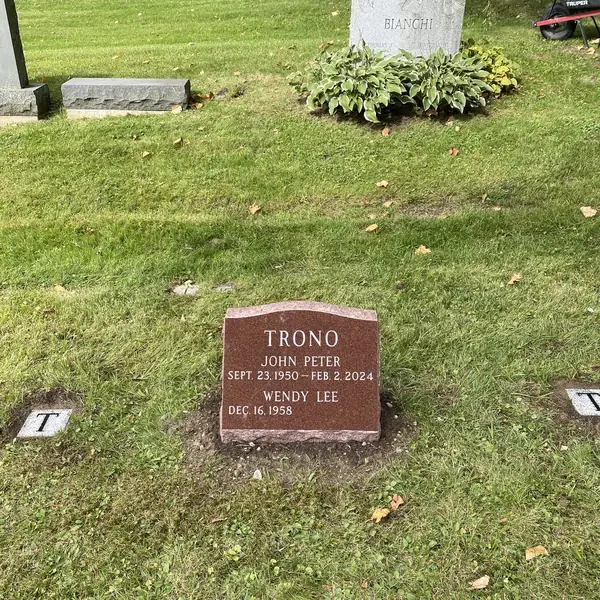
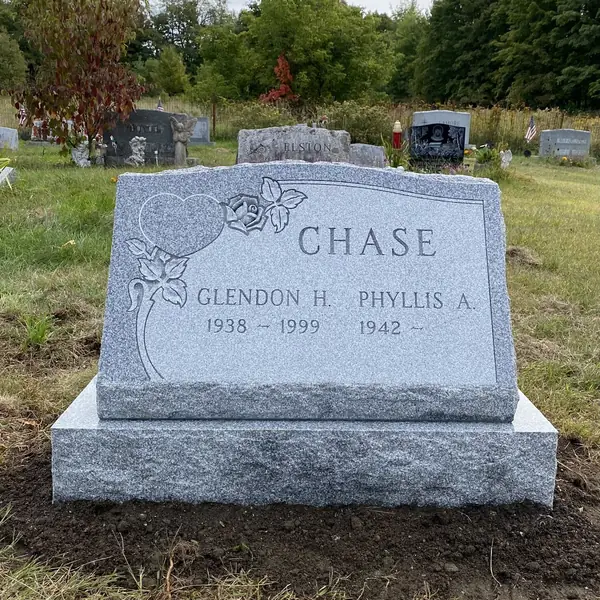
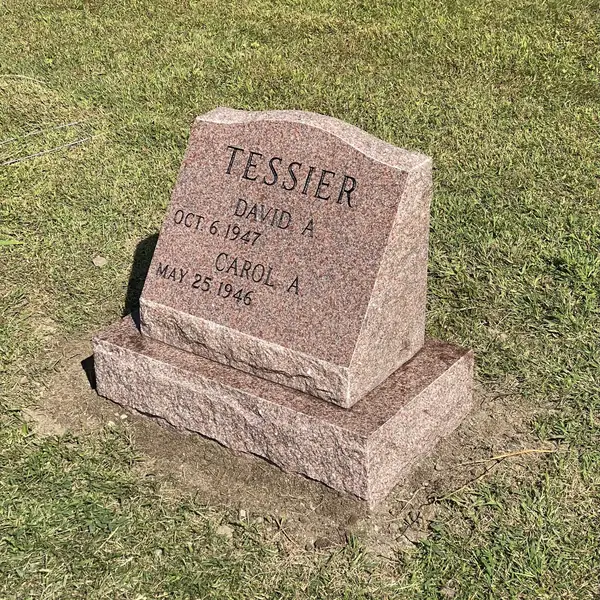
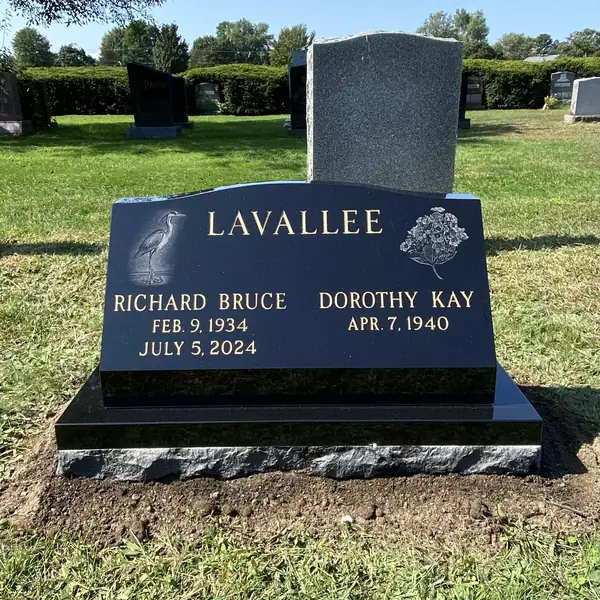
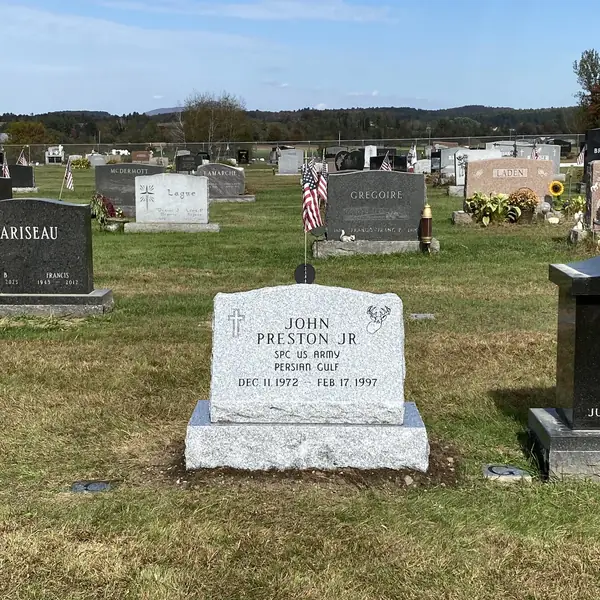
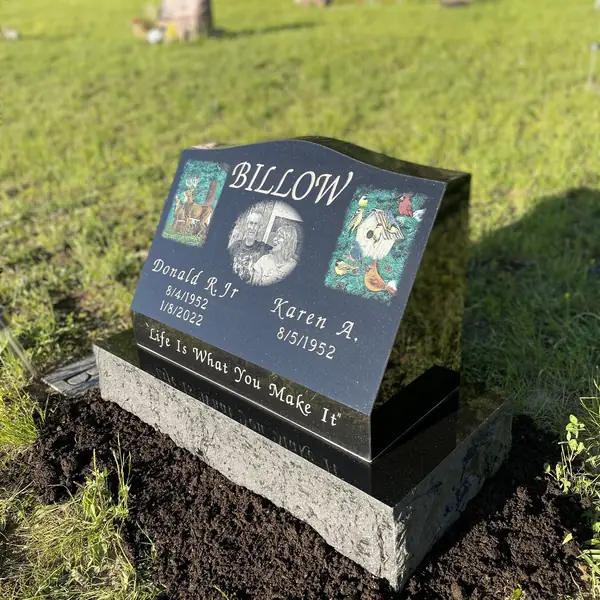
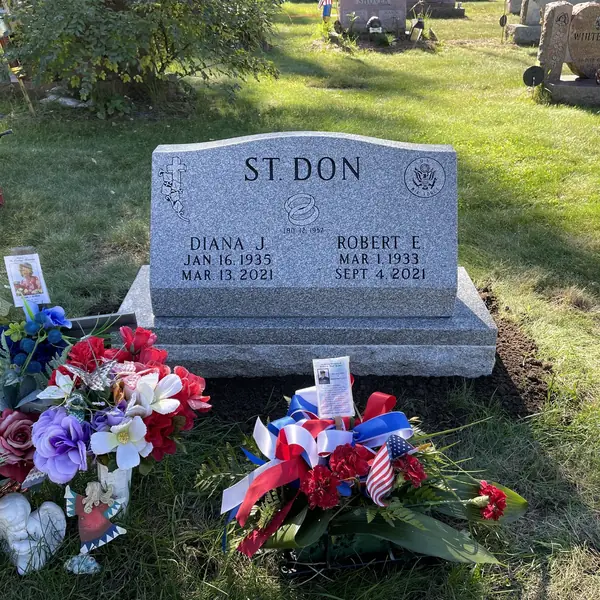
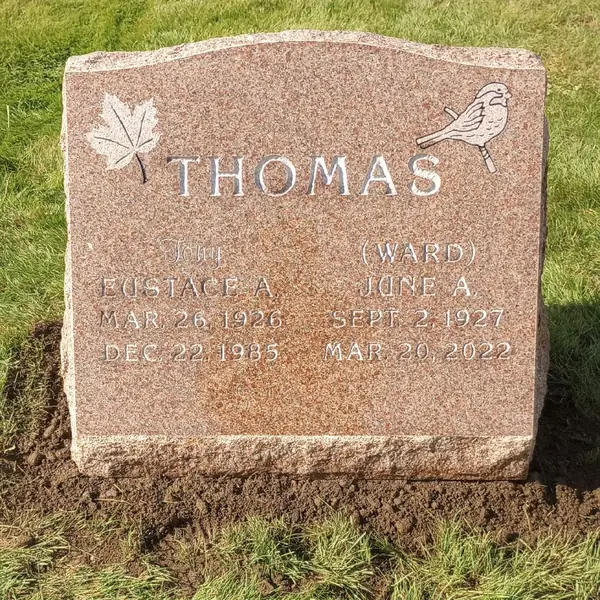
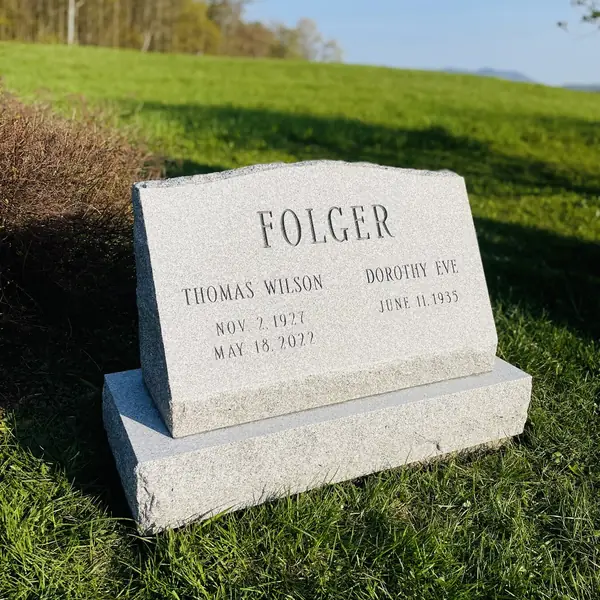
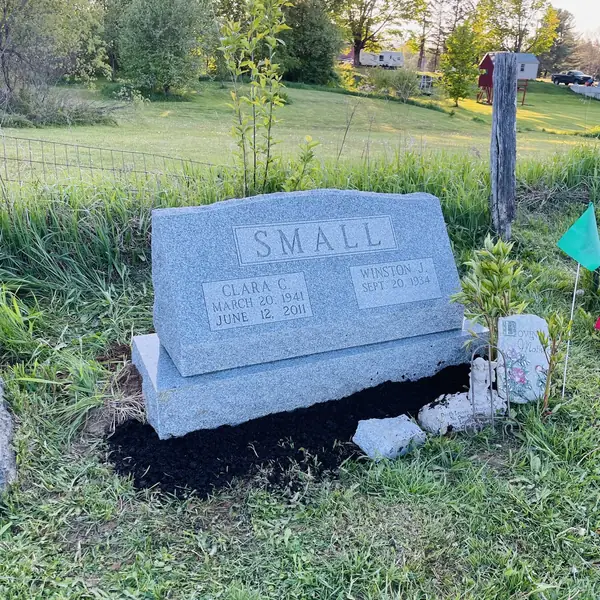
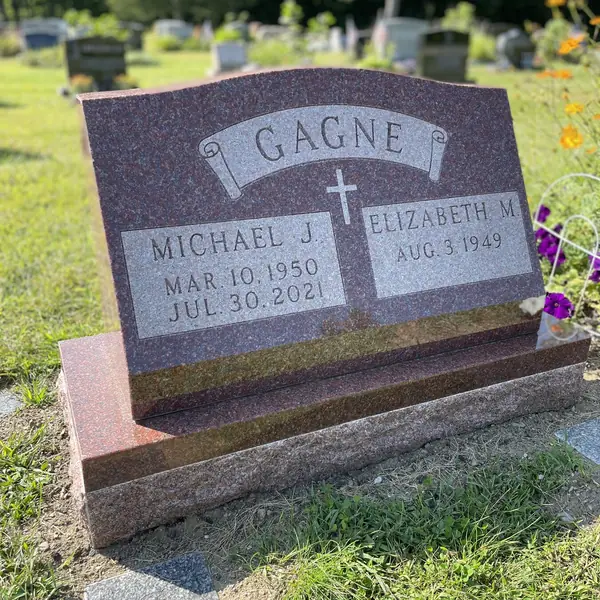
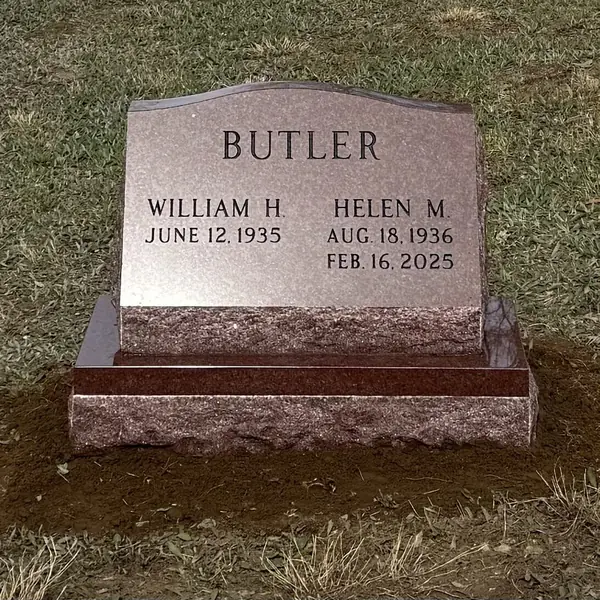
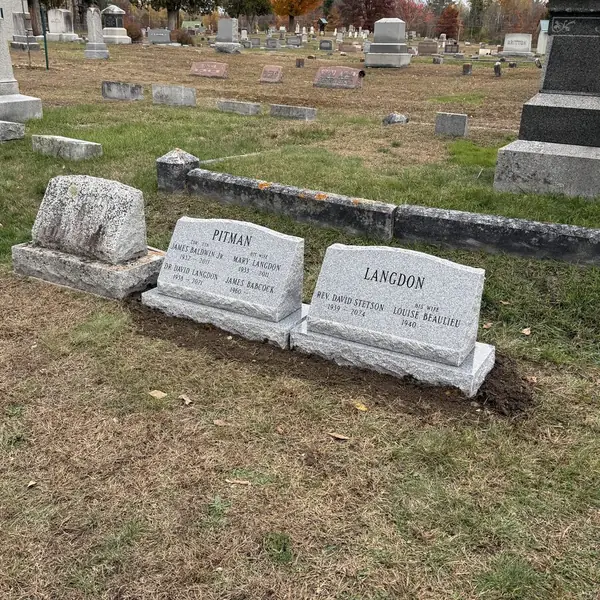
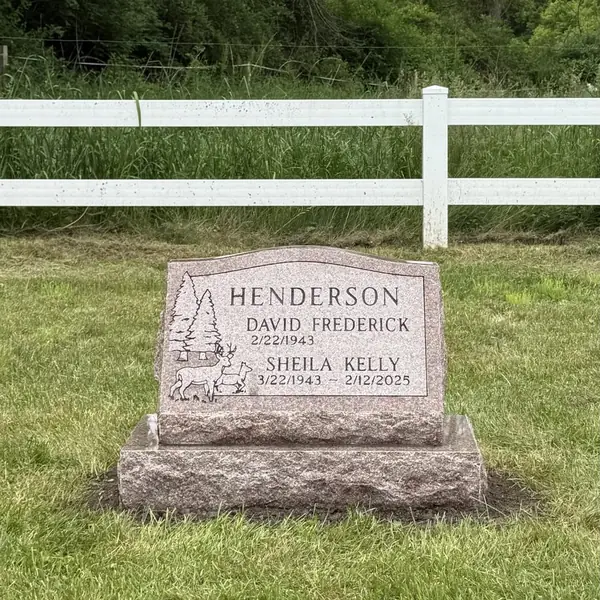
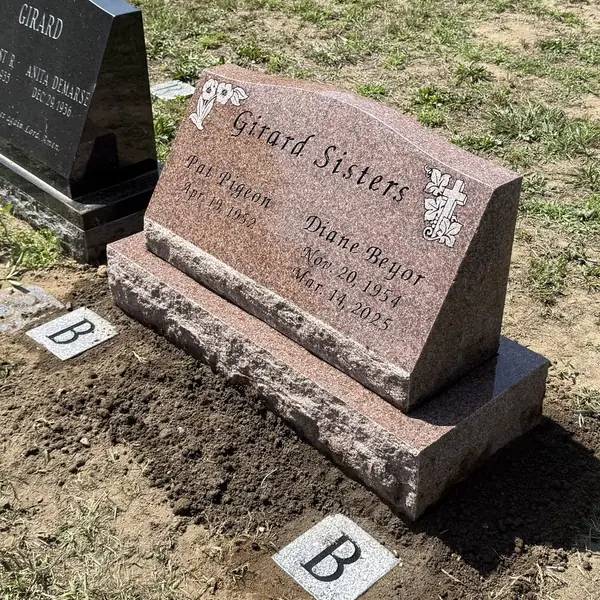
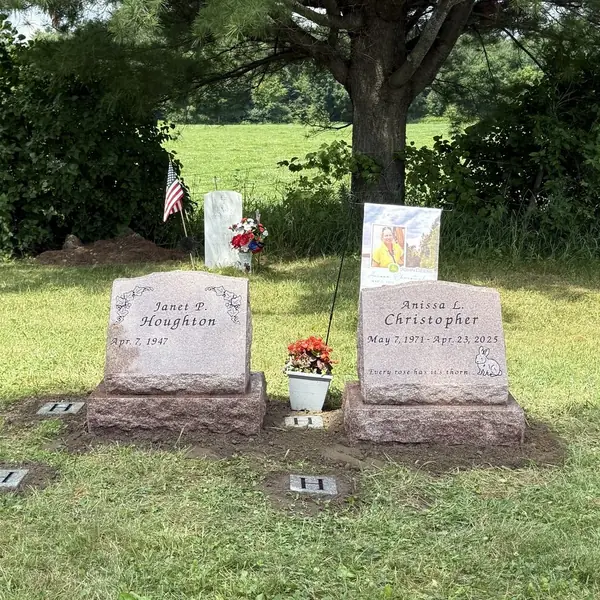
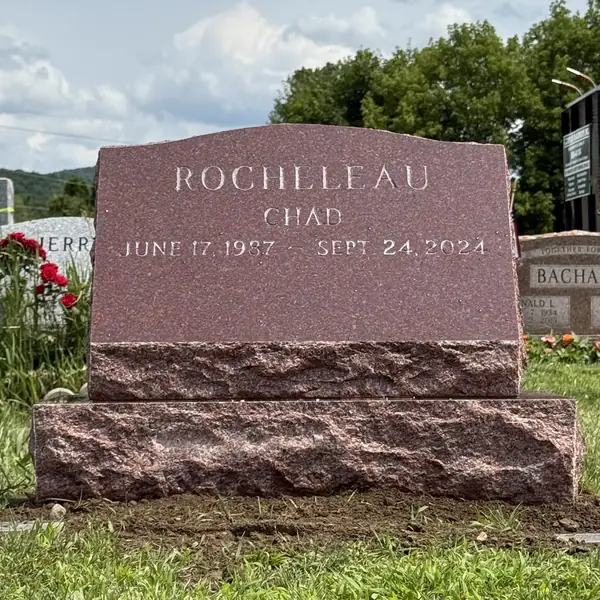
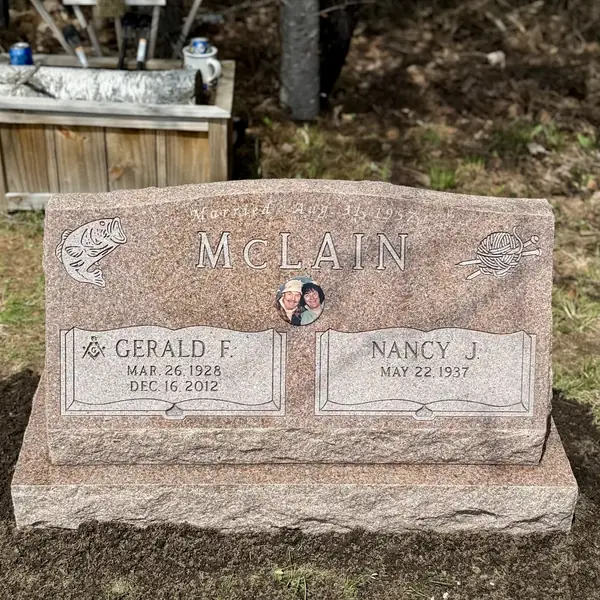
A slant is a low-profile memorial with an angled face that tilts toward the viewer. Typically 16–24 inches tall at the back, it offers better visibility than a flat marker while staying lower than a full upright. Slants may sit on a base or flush to grade, depending on the cemetery section.
The angle keeps lettering and artwork easy to read from a standing position. A natural choice for individual or companion settings, and a good fit where a section calls for a quieter profile. If you're weighing a slant against another style, we're glad to walk through the differences with you.
GALLERY
Examples
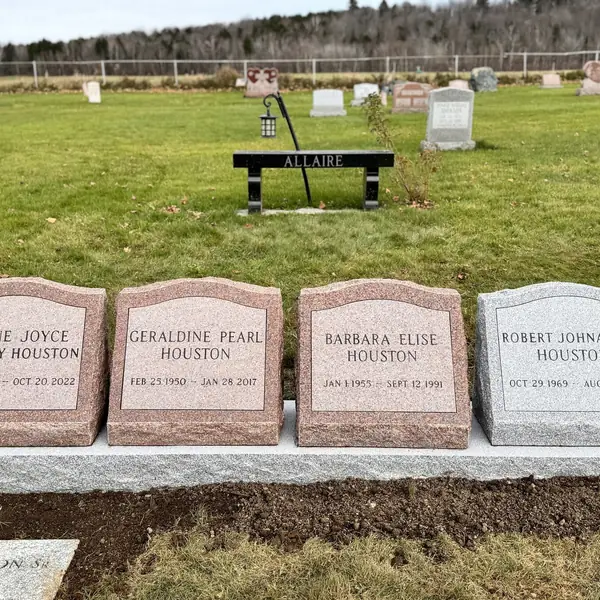
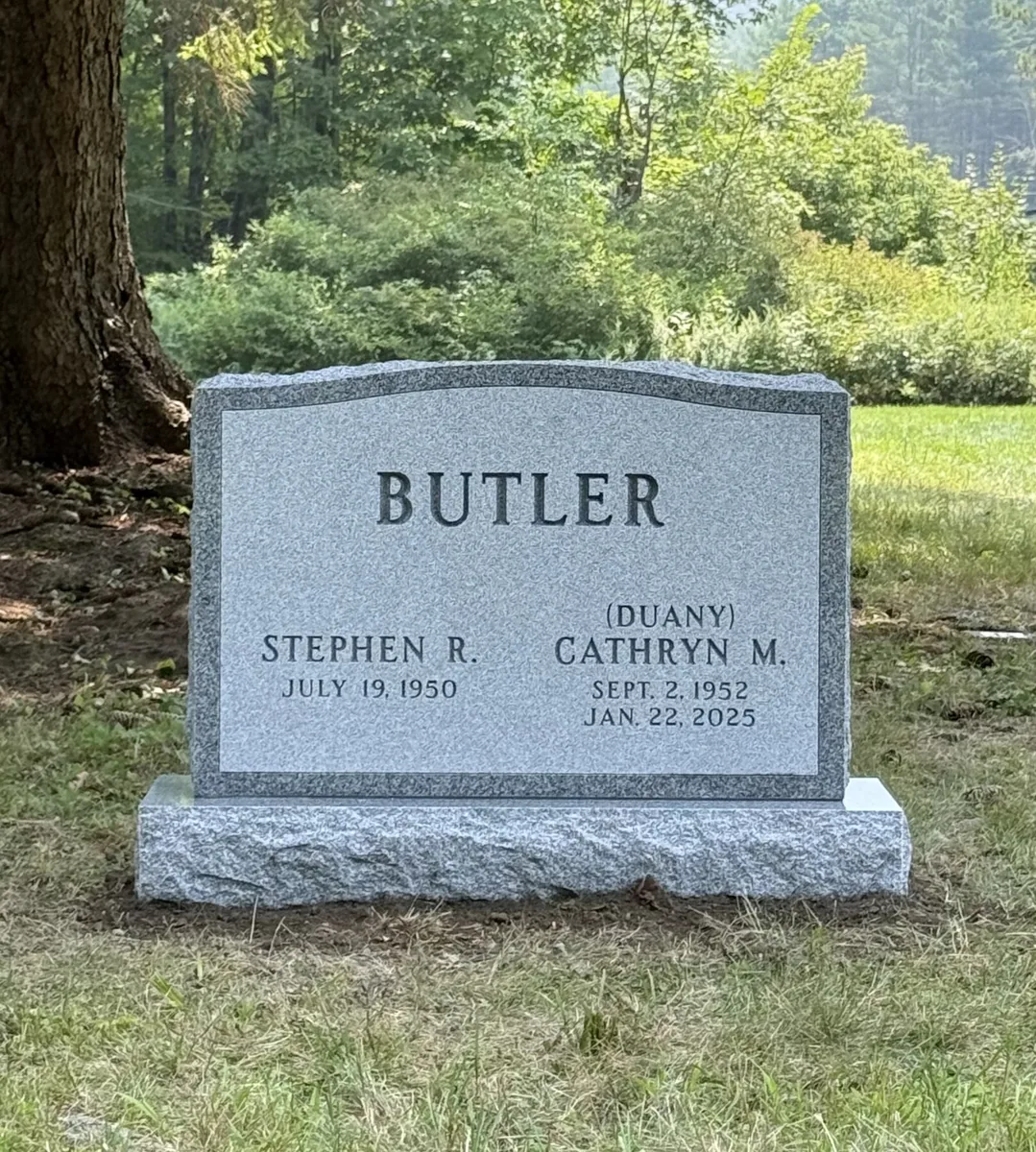
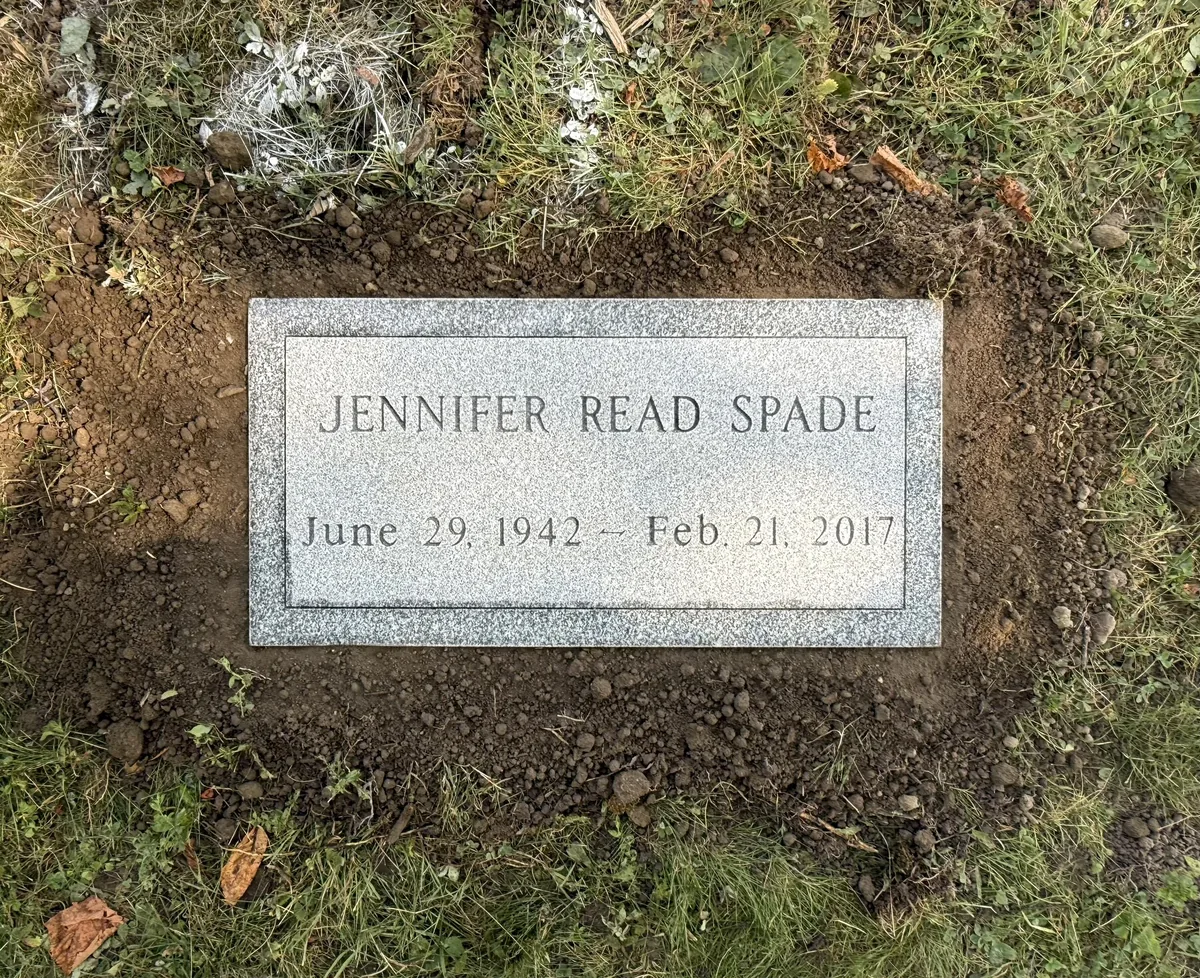
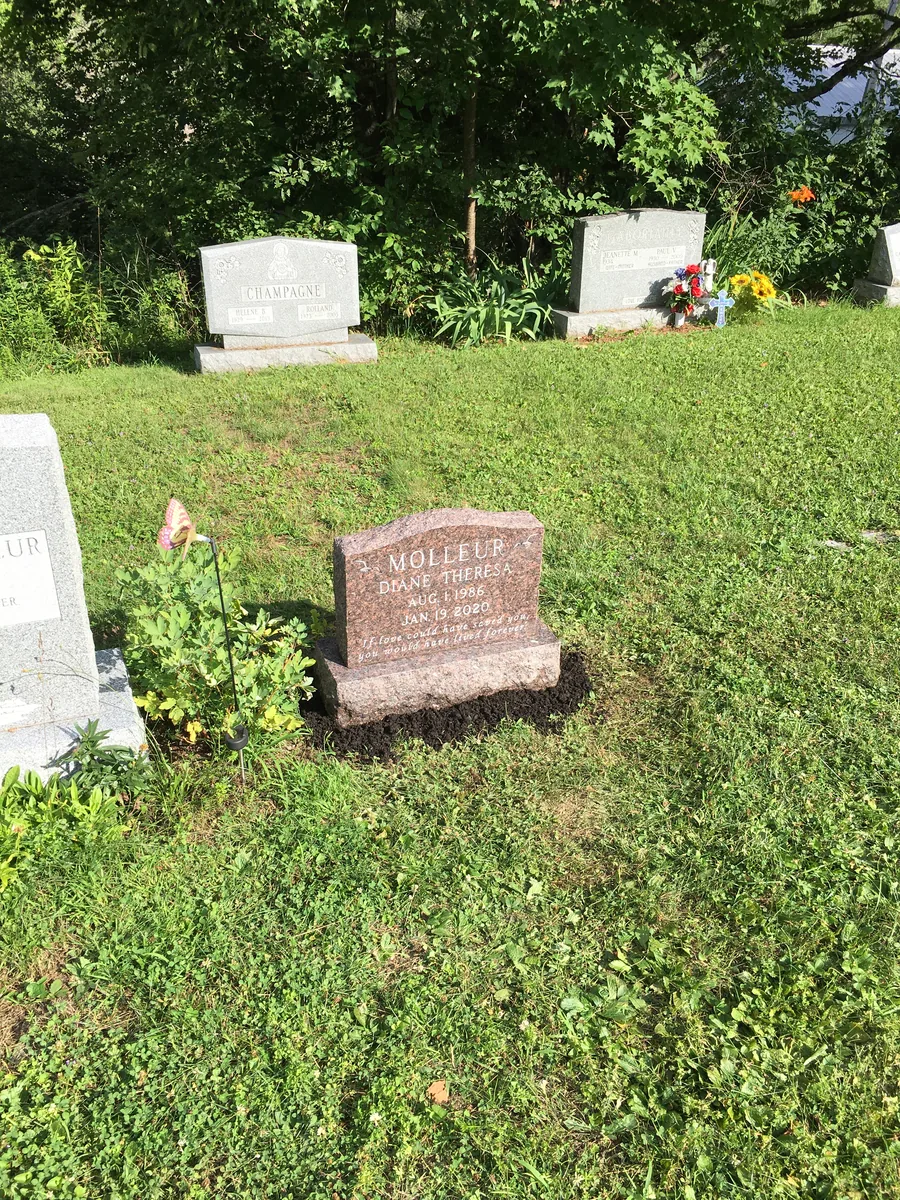
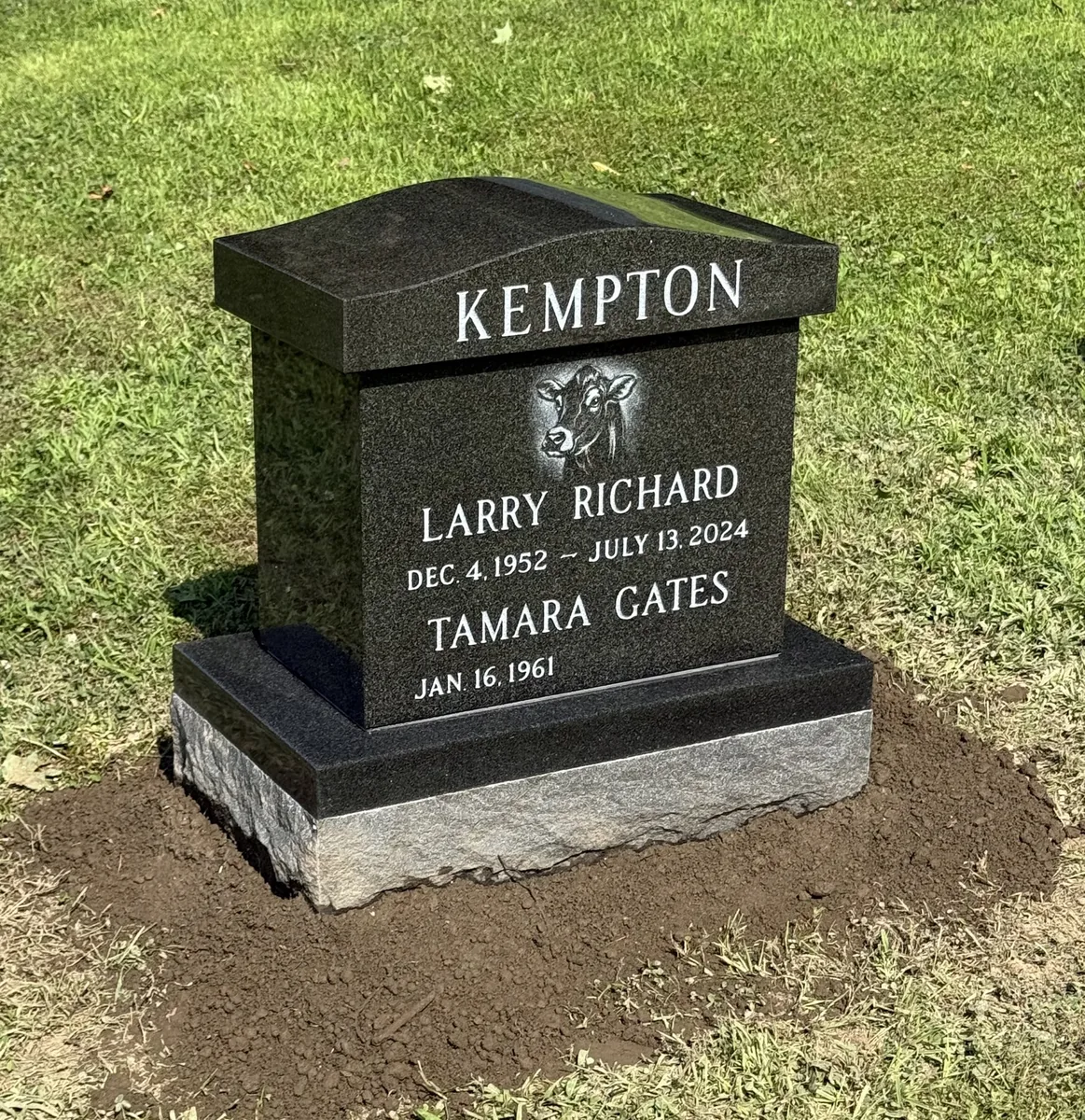
See something that speaks to you? We'll have it on hand when you start the conversation with us.

QUESTIONS
Slant monument FAQs
What sizes do slant monuments come in?
Slants are available in a range of widths to accommodate single, companion, or family inscriptions. Widths typically run from around 20 inches to 48 inches or more, with the depth and height of the angled face scaled proportionally.
Do slant monuments need a base?
Most slant monuments are set on a separate granite base, which provides stability and a finished look at grade level. A near-flush installation is also possible in some sections.
Are slant monuments allowed in all cemeteries?
Most cemeteries that allow monuments will accept slants, though rules vary by section. Some areas only allow flat markers, and others have height or style guidelines.
What finishes are available?
Slant monuments can be finished any way — polished, steeled, axed, sawn, or rock pitched — on the face, sides, top, and base. The face is most commonly polished for readability, but there's no rule. Many designs combine finishes for contrast and character.
How do I choose between a slant and an upright?
It often comes down to personal preference and cemetery rules. Slants tend to have a cleaner, more contemporary appearance and work well in sections where a full upright feels too large or isn't permitted. If you're not sure what fits the lot or the family, we're happy to walk through the options with you.
Browse other monument types
BEGIN
Ready to begin designing a memorial?
Tell us what you're thinking — style, size, finish, cemetery requirements. We'll help you get every detail right, at your pace.